
 Language
- No.101 Wanbo 1st Road, Nancun Town, Panyu District, Guangzhou, Guangdong, China
- 0086-020-84886013,84886093,84886091,84886012
- sales@finegosteel.com
- Complaints & Suggestions : suggest@finegosteel.com


Product News
What Is a Mild Steel Seamless Pipe and How Can It Save Your Project Costs?
High material costs crush your project budget. Choosing the wrong piping leads to expensive failures. A mild steel seamless pipe gives you the perfect balance of strength and cost. A mild steel seamless pipe is a low-carbon steel tube made without any weld seams. It has a carbon content under 0.25 percent. This pipe offers great pressure resistance, excellent cold formability, and reliable weldability. It is perfect for heavy construction projects.
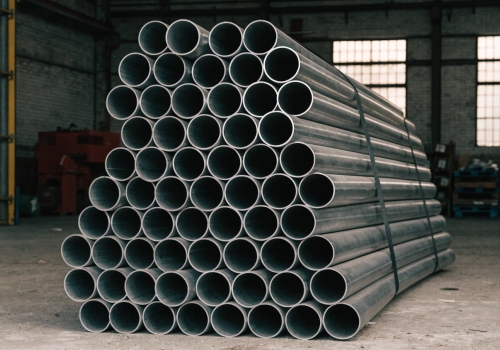
You might wonder if this specific pipe can truly meet your strict project demands. Let me break down exactly why this pipe matters. You will never waste money on the wrong materials again.
How Is a Mild Steel Seamless Pipe Manufactured?
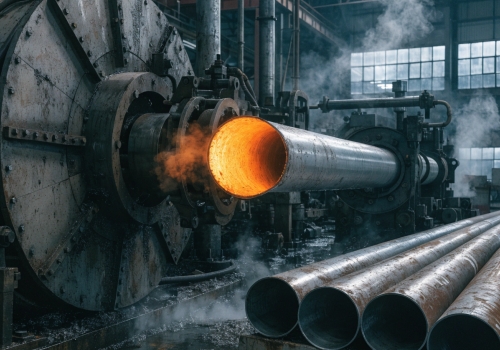
Weak pipes cause dangerous leaks in high-pressure systems. You worry about poor factory quality control. The seamless manufacturing process solves this by creating a solid steel structure. A mild steel seamless pipe is made by heating a solid steel billet. A machine pierces it to form a hollow tube. We then roll and cool it. This weld-free method ensures uniform strength and high pressure tolerance for demanding engineering uses.
The Step-by-Step Production Journey
When I work with production teams at Finego Steel, I see our careful work every day. Making a perfect mild steel seamless pipe requires strict temperature control. First, we cut a solid round tube blank. We heat it to about 1200 degrees Celsius in a hot furnace. Next, a strong pressure piercing machine pushes through the hot metal. This creates a hollow shell. It has no weak weld lines. After piercing, the pipe goes through rolling and sizing. We use special tools to shape the inner and outer diameter perfectly. Finally, the pipe enters a cooling tower. It cools down and gets straight. We test every single pipe with hydraulic machines and metal flaw detectors. We cannot risk any hidden cracks.
Quality Control Checkpoints
I made a simple table of our main steps to help you understand:
| Production Step | Action | Main Purpose |
|---|---|---|
| Heating | Heat billet to 1200°C | Makes the steel soft and ready to shape |
| Piercing | Push a hole through the center | Creates the seamless hollow structure |
| Sizing | Roll and stretch the pipe | Reaches the exact size needed |
| Testing | Use flaw detectors and water pressure | Finds cracks and ensures safety |
What Are the Core Benefits and Applications of Mild Steel Seamless Pipes?
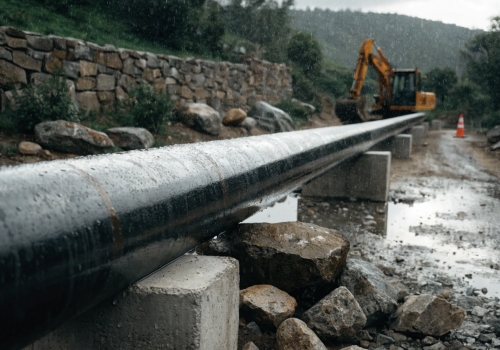
Finding parts for many different needs is very hard. Buying different materials wastes your time. Mild steel gives you high value, great strength, and easy processing together. A mild steel seamless pipe is highly affordable, easy to weld, and fully recyclable. It lacks a weak weld seam. This helps it handle high pressure easily. Engineers use it widely for oil pipelines, boiler systems, heavy machinery, and large building frameworks.
Why It Saves Money
I know your main goal is to find good pipes. You want to save costs for your EPC company. Mild steel has low carbon. This keeps it soft. You can bend and shape it easily. You can cut it, weld it, and forge it without buying special tools. This easy work speeds up your project on the site.
Where We Use It Most
In my years of experience, I see EPC companies use these pipes everywhere. You can use them for simple structural supports. You can also use them for high-pressure fluid lines. The environment might be wet. You can easily coat the pipe to stop rust.
Core Benefits at a Glance
Here is a breakdown of what you get:
| Benefit | Description | Why It Matters to You |
|---|---|---|
| Low Cost | Cheap raw materials | Keeps your project budget low |
| High Strength | No weld seams to break | Safe for high-pressure fluids |
| Easy Work | Simple to cut and weld | Saves time for your workers |
| Recyclable | Can melt and reuse | Good for the environment |
Its strength is naturally lower than high-carbon steel. But we can add a little manganese or titanium. This raises the strength. You do not lose the easy bending feature.
How Do You Choose the Right Mild Steel Seamless Pipe for Your Next Project?
Picking the wrong pipe causes awful delays. You hate dealing with many messy suppliers. Knowing exactly what pipe fits your environment solves this massive headache for you. You match the material to your project needs. Use a mild steel seamless pipe for high-pressure systems. For simple outdoor structures, you use galvanized pipes. You work with a reliable one-stop supplier. This ensures you get the exact match quickly.
Match the Pipe to the Job
Every day, I talk to engineers who need the right fit. You must look at the pressure and the weather. A standard mild steel seamless pipe works best for high pressure. But your pipe might sit out in the rain. It will rust. You need to add a galvanized coating for those wet places.
Solving the Sourcing Problem
You are a busy purchasing manager. You want a one-stop integrated sourcing supplier. Dealing with five different factories wastes your precious time. At Finego Steel, we keep a large inventory of different pipe types. You can buy everything in one place.
Quick Selection Guide
Use this simple guide to pick the best pipe for your next order:
| Project Need | Pipe Type to Choose | Reason |
|---|---|---|
| High Pressure or Oil | Mild steel seamless pipe | Strong body, no weak seams |
| Low Pressure Water | Welded mild steel pipe | Cheaper and works fine |
| Outdoor or Humid | Galvanized steel pipe | Coating stops the rust |
| Extreme Heat | ASTM A106 Gr.B | Handles very high temperatures |
You buy from a trusted place. You never worry about bad quality or late shipments. You get your pipes on time. Your project stays strictly on track.
Conclusion
A mild steel seamless pipe gives your project strength, safety, and cost savings. Choose the right specifications from Finego Steel to guarantee long-term success.
- No.101 Wanbo 1st Road, Nancun Town, Panyu District, Guangzhou, Guangdong, China
- 0086-020-84886013,84886093,84886091,84886012
- sales@finegosteel.com