
 Language
- No.101 Wanbo 1st Road, Nancun Town, Panyu District, Guangzhou, Guangdong, China
- 0086-020-84886013,84886093,84886091,84886012
- sales@finegosteel.com
- Complaints & Suggestions : suggest@finegosteel.com


Product News
What is the difference between ERW and EFW stainless steel pipe?
Are you struggling with piping failures in high-pressure projects? Choosing the wrong pipe wastes your project budget. You need to know exactly which pipe fits your demanding application. An efw stainless steel pipe uses electric fusion welding for high-pressure and corrosive environments. ERW pipes use electric resistance welding for low-pressure fluid transport. EFW pipes offer better strength and handle extreme temperatures better than ERW pipes.
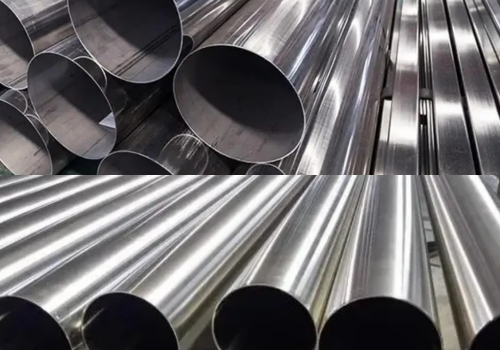
I have seen many EPC projects fail because buyers picked the wrong pipe type. You must understand these key differences to protect your next construction project from expensive mistakes.
What exactly is an ERW pipe?
Do you worry about high costs for simple water lines? Overpaying for pipes ruins your profit margins. ERW pipes solve this problem for simple fluid transport needs. ERW stands for Electric Resistance Welded. Manufacturers roll a steel plate into a cylinder and join the edges using high-frequency electric currents. ERW pipes are cost-effective and work perfectly for low to medium-pressure applications like water supply.
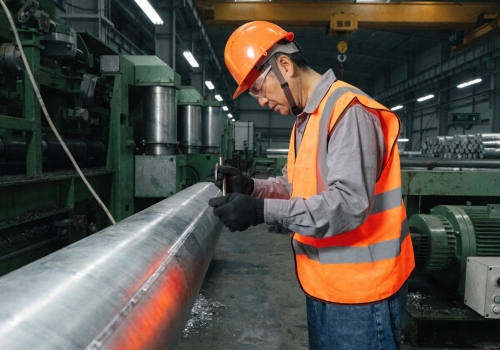
Let us look closer at the ERW manufacturing process. The ERW process uses no filler metals. The welding relies completely on the heat from electrical resistance. This makes the production very fast. It also keeps the cost very low. I always check the project requirements first as a buyer for an EPC company. I pick ERW pipes if the project only needs standard water lines. This action saves money for Finego Steel customers.
ERW Pipe Features
You need to understand the limits of ERW pipes. The welding seam is the weakest point. It cannot handle extreme pressure. It also struggles in highly corrosive chemical plants.
ERW Applications Table
Here is a simple table to show where you should use ERW pipes.
| Application Type | Suitability | Reason |
|---|---|---|
| Water Supply | Excellent | Low pressure and non-corrosive. |
| General Construction | Good | Cost-effective for standard structural needs. |
| High-Pressure Gas | Poor | The weld seam might fail under high pressure. |
Why should you choose an efw stainless steel pipe?
Are extreme temperatures threatening your pipeline safety? Weak welds crack under pressure and cause leaks. An efw stainless steel pipe gives you the ultimate strength you need. EFW stands for Electric Fusion Welded. Manufacturers melt steel from two separate ends and weld them together with added filler metal. An efw stainless steel pipe handles high-pressure, high-temperature, and highly corrosive chemical environments much better than ERW pipes.
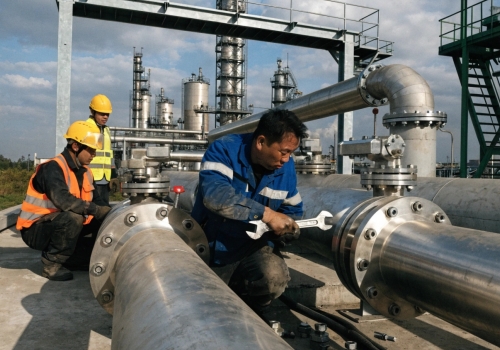
I always recommend EFW pipes for heavy industrial projects. The electric fusion process creates a very strong bond. It uses an electric arc to melt the metal and the filler material together. This action makes the pipe very dense. It also makes the pipe wall uniform.
Strength of EFW Pipes
The main reason to buy an efw stainless steel pipe is safety. I never take risks with chemical lines in my years of sourcing. EFW pipes have thick walls. They survive extreme stress. Finego Steel provides EFW pipes for top oil and gas companies because these pipes do not fail easily.
EFW Applications Table
Look at this table to see where EFW pipes work best.
| Application Type | Suitability | Reason |
|---|---|---|
| Chemical Plants | Excellent | Handles highly corrosive fluids easily. |
| Oil and Gas | Excellent | Survives high pressure and extreme temperatures. |
| Simple Plumbing | Poor | Too expensive for basic water needs. |
You spend more money on EFW pipes. However, you buy peace of mind. You protect your project from expensive accidents.
How do you decide between ERW and EFW pipes?
Do you feel confused by too many pipe specifications? Guessing the wrong pipe size causes major delays. You must check specific project details to choose correctly. You must check the pipe diameter, wall thickness, and working environment. ERW pipes come in smaller sizes and thinner walls. EFW pipes offer larger diameters and heavier wall thicknesses. Your final choice depends entirely on your project pressure and budget limits. I have faced this exact choice many times in my career. You must look at the big picture. You balance cost and safety as a buyer. Finego Steel is your reliable one-stop supplier of pipeline products. We help you make this choice every day.
Key Factors for Selection
First, you look at the pipe diameter. ERW processes cannot easily make very wide pipes. You must look at EFW if you need a huge diameter. Second, you check the wall thickness. High-pressure systems need thick walls. EFW is the winner here.
Comparison Table
Use this summary table to guide your buying process.
| Feature | ERW Stainless Steel Pipe | EFW Stainless Steel Pipe |
|---|---|---|
| Cost | Low | High |
| Pressure Rating | Low to Medium | High |
| Size Range | Smaller diameters | Larger diameters |
| Wall Thickness | Thinner | Thicker |
You must talk to a pipeline expert before you buy. We at Finego Steel integrate production and sales. We share China-made quality with global customers. We will guide you to the perfect pipe for your exact need.
Conclusion
You must match your pipe to your project pressure and temperature. ERW pipes save money for simple jobs. However, EFW pipes provide strength for dangerous environments. Choose your pipe carefully.
- No.101 Wanbo 1st Road, Nancun Town, Panyu District, Guangzhou, Guangdong, China
- 0086-020-84886013,84886093,84886091,84886012
- sales@finegosteel.com