
 Language
- No.101 Wanbo 1st Road, Nancun Town, Panyu District, Guangzhou, Guangdong, China
- 0086-020-84886013,84886093,84886091,84886012
- sales@finegosteel.com
- Complaints & Suggestions : suggest@finegosteel.com


Product News
What Are Pipe Fittings and How Do They Connect Your Piping Systems?
Leaking pipes ruin expensive projects. You lose time and money. I provide quality parts to stop leaks. Let us explore the basics together. If you wonder what are pipe fittings, they are essential components that connect, control, or redirect the flow of liquids and gases in pipeline systems. These parts ensure a secure seal and proper directional flow across various construction and industrial applications.
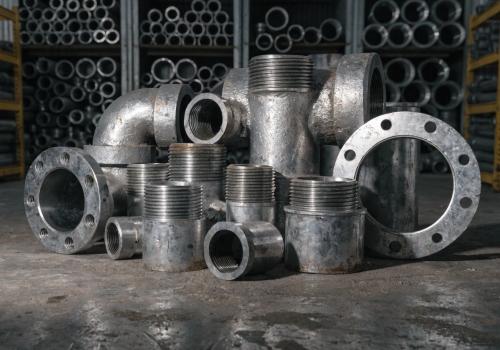
You might think all parts act the same way. But choosing the wrong piece causes massive failures.
What Are the Different Types of Pipe Fittings and Their Functions?
Buying random parts causes system delays. Your engineers get frustrated. Knowing specific fitting types solves this problem fast. You need different parts for different jobs. Elbows change direction, tees split the flow, and couplings join identical pipes. Understanding what are pipe fittings in terms of shape helps you build efficient, leak-proof systems for any major project.
Flow Direction Fittings
I remember a time when an EPC contractor ordered the wrong flanges for a massive water system. They lost two weeks of work. You must understand the specific roles of each part to avoid this. We at Finego Steel see this often. People mix up parts. Let us break down the main categories clearly. Elbows are the most common parts here. You use 90-degree or 45-degree elbows to guide water or gas around obstacles. They keep the pressure steady inside the tube.
Branching Fittings
Sometimes you need to split the flow. Tee fittings do exactly this. They have a T-shape. Wye fittings work similarly but merge flows at a slight angle. Cross fittings connect four pipes together. They allow water or gas to move in multiple directions at once.
Connection Fittings
Couplings join two pipes of the exact same size. If you need to join different sizes, you use reducers or bushings. Adapters help you switch between different pipe materials smoothly.
| Fitting Type | Primary Function | Common Application |
|---|---|---|
| Elbow | Changes flow direction | Water supply lines |
| Tee | Splits or combines flow | Distribution networks |
| Coupling | Joins two similar pipes | Long straight pipelines |
| Flange | Secures pipes to fixtures | Heavy-duty industrial systems |
Using the correct shape saves your budget. It also keeps your production team happy.
How Do You Choose the Right Pipe Fittings for Construction Projects?
Picking wrong specifications causes pipeline bursts. Your safety record drops. We follow strict guidelines to select perfect parts. You must evaluate the application, fluid pressure, pipe material, and local construction codes. Matching the fitting to the exact environmental conditions guarantees long-term stability and prevents costly maintenance in your piping systems.
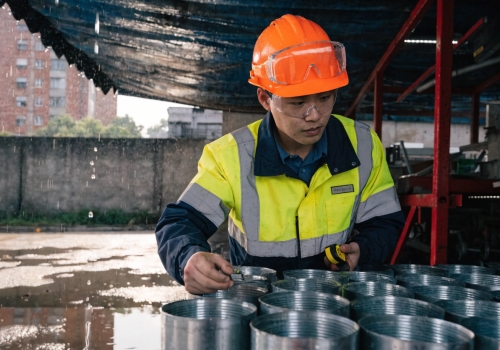
Application and Fluid Pressure
Last year, Jackie, a purchasing manager I work with, faced a huge challenge. He needed to source parts for a high-pressure oil line. He did not know how to match the pressure ratings. We sat down and reviewed his CAD drawings. I helped him map out every requirement. You have to ask what the pipe carries. Does it carry water, gas, or oil? High-pressure systems need thick, strong parts. Low-pressure drainage systems can use lighter parts.
Material Compatibility
You cannot mix certain metals without causing corrosion. You must match copper pipes with copper fittings. You must match steel pipes with steel fittings. This practice prevents chemical reactions inside the pipe. Matching materials keeps the water or gas clean.
Space and Installation Method
Think about your workers on the site. Can they weld easily in that small space? If not, you should choose flanged or threaded connections
| Selection Factor | Why It Matters | Consequence of Ignoring |
|---|---|---|
| Pressure Rating | Stops bursts | System failure, safety risk |
| Material Match | Prevents rust | Rapid corrosion, leaks |
| Space Limits | Affects tool use | Installation delays |
What Are the Best Materials for Industrial Pipe Fittings?
Weak metals rust quickly outdoors. You replace parts too often. Choosing premium steel ensures lasting performance. The best materials include carbon steel, stainless steel, copper, and plastics. Carbon steel offers immense strength for oil, while stainless steel prevents rust. Proper material selection ensures your system withstands severe temperatures and pressures.
Industrial Steel Variants
I always tell my clients that material dictates lifespan. You cannot use standard plastic for hot oil lines. People ask me what are pipe fittings made of most often in heavy industry. At Finego Steel, we mostly deal with high-grade steel. Steel handles extreme stress. Carbon steel is heavy and very strong. We use it for major oil and gas lines. Galvanized steel has a zinc coating. This coating stops rust. We sell a lot of galvanized parts for outdoor water lines. Stainless steel costs more but resists harsh chemicals perfectly.
Copper and Brass Metals
Copper handles heat very well. You see it in heating and cooling systems. Brass resists corrosion and works perfectly for drinking water lines. Both metals last a long time.
Plastic Options
PVC and PEX are light. Plumbers use them for basic residential water and waste lines. They do not handle high heat well
| Material Type | Top Advantage | Main Disadvantage | Best Use Case |
|---|---|---|---|
| Carbon Steel | Extreme strength | Can rust if uncoated | Oil and gas pipelines |
| Stainless Steel | Zero corrosion | Higher cost | Chemical plants |
| PVC | Very cheap | Melts under heat | Waste drainage |
| Copper | Handles heat | Needs soldering | Water supply lines |
Threaded vs. Welded Pipe Fittings: Which Is Better for Your Project?
Bad joints cause silent fluid leaks. You discover them too late. We use correct joint methods to lock pipes tight. Threaded fittings allow for easy assembly and disassembly, making them perfect for maintenance-heavy areas. Welded fittings create a permanent, leak-proof bond, ideal for high-pressure industrial pipelines where ultimate strength is strictly required.
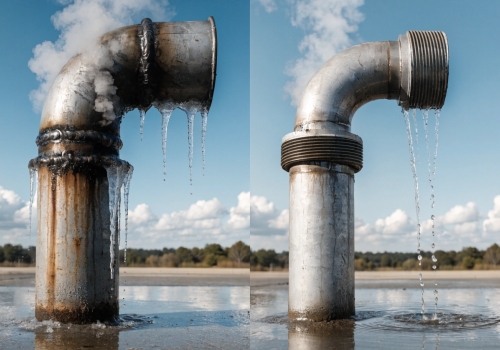
The Threaded Connection Method
I watched a crew try to unscrew a welded joint once. They wasted hours. You must pick the correct connection type from the start. This choice changes how your maintenance team works for decades. Threaded joints have physical grooves. You twist them together. You must use sealing tape to stop small leaks. They work great for low-pressure gas lines. Your team can take them apart easily for quick repairs. However, overtightening them causes deep cracks.
The Welded Connection Method
Welding melts the metal together. It creates one solid piece. We recommend welding for heavy thickness and high-strength pipes. The bond handles extreme pressure without leaking. But you cannot undo a weld. You must cut the pipe to fix it.
| Connection Type | Pros | Cons | Ideal Situation |
|---|---|---|---|
| Threaded | Easy to remove | Leaks more easily | Areas needing frequent repair |
| Welded | Leak-proof bond | Permanent | High-pressure underground lines |
| Flanged | Strong, bolted | Requires precise tools | Heavy industrial valves |
Think about your future maintenance needs. This helps you select the smartest connection style.
Conclusion
Pipe fittings connect, direct, and secure your piping systems. Choosing the correct type, material, and connection method guarantees safe, cost-effective, and long-lasting construction projects for your company.
- No.101 Wanbo 1st Road, Nancun Town, Panyu District, Guangzhou, Guangdong, China
- 0086-020-84886013,84886093,84886091,84886012
- sales@finegosteel.com