
 Language
- No.101 Wanbo 1st Road, Nancun Town, Panyu District, Guangzhou, Guangdong, China
- 0086-020-84886013,84886093,84886091,84886012
- sales@finegosteel.com
- Complaints & Suggestions : suggest@finegosteel.com


Product News
Why Is the BS 1387 Galvanized Steel Pipe Still the Best Choice for Your Project?
Finding the right piping for water or gas systems is often stressful. Poor quality materials cause delays and safety risks. Our BS 1387 pipes offer the reliability you need. The BS 1387 galvanized steel pipe is a standard specification for screwed and socketed tubes used in gas, air, and water transmission. Even though replaced by EN 10255 in some areas, it remains the industry favorite for its durability, distinct wall-thickness classifications (Light, Medium, Heavy), and ease of welding.
Many purchasing managers ask me about the specifics of this standard. I want to explain why this pipe is still vital for construction projects today.
How Do We Classify and Identify BS 1387 Pipes Correctly?
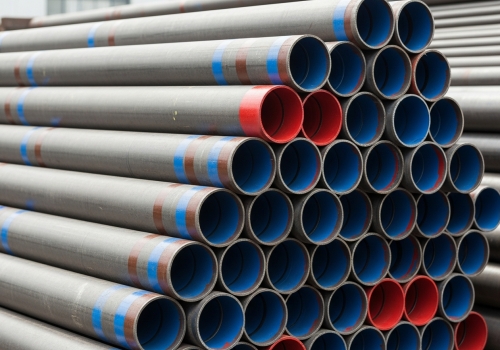
Understanding the different classes of these pipes can be confusing for new buyers. You must know the difference to avoid ordering the wrong weight for your specific pressure requirements. The BS 1387 standard separates pipes into three clear wall thickness classes: Light, Medium, and Heavy. We distinguish them easily in the warehouse by color bands: Brown for Light, Blue for Medium, and Red for Heavy.
As a purchasing manager, you need to know exactly what you are buying to save costs. In the steel industry, weight is money. The BS 1387 galvanized steel pipe comes in three specific "duties" or thicknesses. I often see clients confused between "Class" and "Duty." Let me clear this up. When we talk about Light, Medium, or Heavy, we are talking about the wall thickness. This determines the pressure the pipe can hold. At Finego Steel, we strictly follow the color-coding system. This is a simple visual check for you when the container arrives at your site.
· Light Duty (Brown Band): We recommend this for low-pressure domestic water or ornamental use.
· Medium Duty (Blue Band): This is the industry workhorse. It is perfect for general fluid transport and air lines.
· Heavy Duty (Red Band): You must use this for underground work or where physical strength is critical. Also, many of my German clients ask about the difference between BS 1387 and EN 10255. Practically, they are very similar. While EN 10255 is the newer European norm, the BS 1387 specification is still the global language of the pipe trade. We produce both, but we find that for many maintenance and legacy projects, the BS standard is what the engineers on-site actually prefer.
| Class / Duty | Color Code | Typical Application | Pressure Suitability |
|---|---|---|---|
| Light | Brown | Low-pressure water, fencing | Low |
| Medium | Blue | HVAC, Firefighting, Gas | Standard |
| Heavy | Red | Industrial, Underground | High |
What Makes the Galvanizing Process So Important for Long Life?
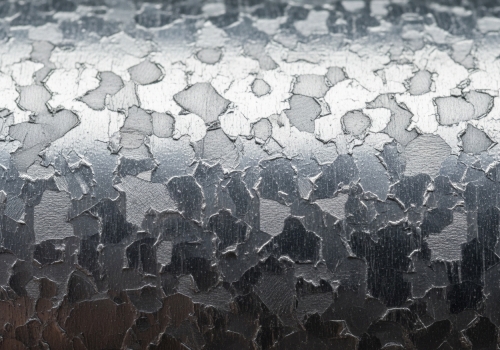
Corrosion is the biggest enemy of steel pipes in outdoor environments. If the zinc coating is thin or uneven, the pipe will fail quickly, leading to expensive repairs. Hot-dip galvanizing protects the steel by bonding a layer of zinc to the metal. For BS 1387 pipes, we ensure a uniform coating that resists rust, extending the lifespan of your water or gas lines significantly.
I have been in this industry for a long time, and I have seen what happens when factories cut corners on galvanizing. The BS 1387 standard is not just about dimensions; it is about protection. We use a hot-dip galvanizing process. This means we dip the chemically cleaned steel pipe into a bath of molten zinc. This creates a metallurgical bond, not just a surface paint. There are two levels of coating quality you need to know: Class B and Class C. This is different from the wall thickness.
· Class B: This has a minimum coating of 375 g/m². It is cheaper and works well for indoor, dry environments.
· Class C: This is what I recommend for aggressive environments. It has a minimum of 475 g/m². If your project is near the coast or buried in soil, you need Class C. It prevents the white rust and red rust that destroys systems. At Finego, we test the coating thickness before we ship. We know that for an EPC company, replacing a corroded pipe two years later is a nightmare. We ensure the zinc layer is uniform, even on the threaded ends. This attention to detail is why we have passed inspections from SGS and TUV.
| Specification | Zinc Weight (min) | Environment Suitability | Cost Factor |
|---|---|---|---|
| Class B | 375 g/m² | Indoor / Dry | Economical |
| Class C | 475 g/m² | Outdoor / Marine / Buried | Premium |
Where Can You Use These Pipes and How Do You Choose the Right Supplier?
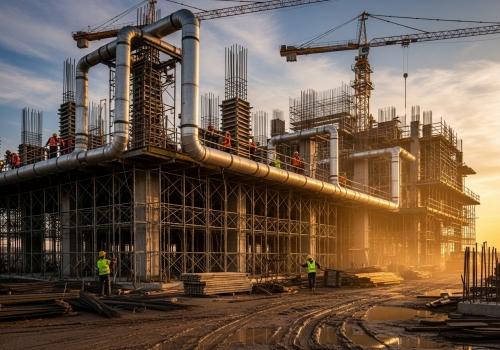
You might wonder if this standard fits your specific engineering project structure. Choosing the wrong supplier can lead to shipping delays and mismatched fittings that halt construction. These pipes are versatile, perfect for low-pressure fluid transport, handrails, and scaffolding. When sourcing, look for a supplier who offers integrated fittings and valves to save time and reduce logistics costs. The versatility of the BS 1387 pipe is why it has been around since 1940. I see these pipes used everywhere, from the skyscrapers in Dubai to water networks in Southeast Asia. The primary use is for the transport of water, gas, air, and steam. Because the ends can be screwed (threaded) or plain (for welding), they are very easy for your site workers to install. However, the biggest challenge for a Purchasing Manager like you is not just buying the pipe. It is the integration. You need the pipe, but you also need the malleable iron fittings, the sockets, and the valves. If you buy pipes from one factory and fittings from another, you risk tolerance issues. The threads might not match perfectly. This is where Finego helps. We are a one-stop supplier. We manufacture the pipes, and we also supply the matching fittings and valves. We can bundle them in the same shipment. This saves you freight costs and ensures 100% compatibility. Whether you need plain ends for welding or threaded ends with sockets for quick assembly, we prepare them to the exact BS 21 thread standard. We handle the complexity so you can focus on the project timeline. Common End Types:
1. Plain End: Cut square, ready for welding on-site.
2. Screwed & Socketed: Threaded on both ends, with one coupling attached. Ideally used for faster assembly in water lines.
Conclusion
BS 1387 galvanized steel pipes offer unmatched durability for fluid transport and structural needs. At Finego, we provide these quality pipes and fittings to ensure your project succeeds without hidden costs.
- No.101 Wanbo 1st Road, Nancun Town, Panyu District, Guangzhou, Guangdong, China
- 0086-020-84886013,84886093,84886091,84886012
- sales@finegosteel.com