
 Language
- No.101 Wanbo 1st Road, Nancun Town, Panyu District, Guangzhou, Guangdong, China
- 0086-020-84886013,84886093,84886091,84886012
- sales@finegosteel.com
- Complaints & Suggestions : suggest@finegosteel.com


Product News
What Exactly Is ASTM A106 Steel Pipe?
High temperatures ruin weak pipes. This causes leaks and project delays. You need strong materials. I will explain this specific steel pipe for your projects. ASTM A106 steel pipe is a seamless carbon steel pipe designed for high-temperature service. You will find it in power plants, oil refineries, and boilers. Factories produce it without weld seams. This seamless design gives the pipe higher strength and reliability under intense heat and stress.
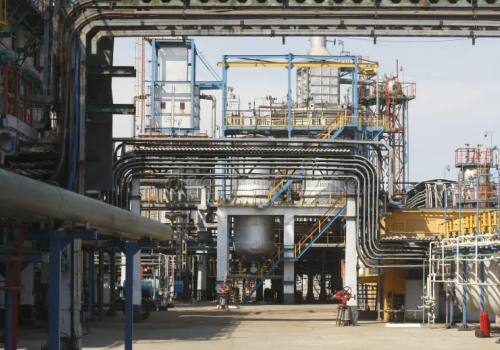
Choosing the wrong pipe material costs money and time. You might face serious safety risks in your facility. Read the detailed breakdown below to stop guessing. You will learn how to start sourcing the right piping materials today.
What Are the Grades and Chemical Elements of ASTM A106 Steel Pipe?
Bad chemical balances weaken steel. Your pipes might fail under pressure. We must check the elements carefully. Let us look at the three pipe grades. Factories make ASTM A106 steel pipe in three grades: Grade A, Grade B, and Grade C. Each grade has a different carbon content. Grade B is the most common. The carbon and manganese levels determine the overall strength and heat resistance of the pipe.
Chemical Composition Breakdown
The chemical makeup of the pipe is very important. Carbon gives the pipe its basic strength. Manganese helps the steel harden. I always tell my clients to check these numbers carefully. At Finego Steel, we supply all three grades. We see Grade B used most often. Last year, we supplied Grade B pipes to a large power plant project in Turkey. The EPC contractors needed pipes to handle high heat. We made sure the chemical tests met strict standards. Our strict quality control saved them from future maintenance issues. Let us look at the exact numbers. I made a simple table for you.
| Element | Grade A | Grade B | Grade C |
|---|---|---|---|
| Carbon (max) | 0.25% | 0.30% | 0.35% |
| Manganese | 0.27% - 0.93% | 0.29% - 1.06% | 0.29% - 1.06% |
| Silicon (min) | 0.10% | 0.10% | 0.10% |
How Strong Is ASTM A106 Steel Pipe in Tough Conditions?
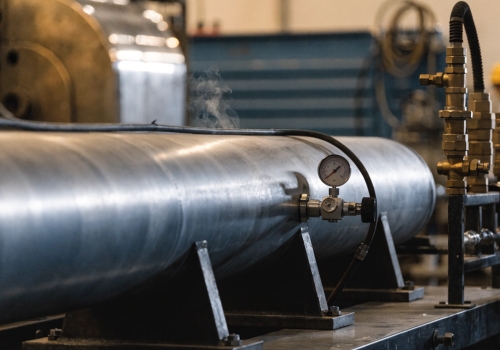
Weak pipes burst under high pressure. This puts your workers in danger. You need to know the physical limits. We will explore the strength tests now. The mechanical properties depend on the exact grade. Grade A has a yield strength of 30,000 psi. Grade B offers 35,000 psi. Grade C gives 40,000 psi. Grade B provides the best balance of strength and flexibility for most high-heat projects.
Understanding Mechanical Properties
Mechanical strength keeps your pipeline safe. Yield strength tells us when the pipe will start to bend permanently. Tensile strength tells us when the pipe will break completely. I remember working with a purchasing manager from Africa. He was building a new oil pipeline. The harsh sun and high internal pressure demanded strong materials. He originally wanted Grade A. We advised him to use Grade B instead. Grade B gives a higher tensile strength of 60,000 psi. It handled the pressure spikes perfectly. This choice saved his company from buying expensive replacements later. Here is a simple table showing the mechanical differences.
| Property | Grade A | Grade B | Grade C |
|---|---|---|---|
| Yield Strength | 30,000 psi | 35,000 psi | 40,000 psi |
| Tensile Strength | 48,000 psi | 60,000 psi | 70,000 psi |
You must balance strength and ductility. Ductility means you can bend the pipe without breaking it. Grade C is very strong. However, Grade C is harder to weld. You need special welding techniques for Grade C. Grade B is the sweet spot. It welds easily and holds pressure well. Finego Steel tests every batch. We ensure the psi numbers match the official standard. We want you to feel totally secure with your purchase.
What Is the Difference Between ASTM A106 and Similar Standards?
Mixing up standard numbers causes project failures. You might buy the wrong part. We must clear up the confusion. I will compare the common standards. ASTM A53 is for low-pressure systems like water and gas. ASTM A105 is not a pipe. Factories use A105 to make forged fittings. You must use ASTM A106 steel pipe for high-temperature and high-pressure actual piping systems to ensure safety.
Comparing A106, A53, and A105
Many buyers get confused by the standard numbers. They look very similar. But they do very different jobs. Let us break them down clearly. You will make the right choice. First, we look at ASTM A53. Factories can make A53 with weld seams. They design A53 for normal temperatures. You cannot put A53 in a high-heat boiler. It will fail. ASTM A106 adds silicon to the steel mix. Silicon boosts heat resistance. Second, we look at ASTM A105. A client once asked me for A105 pipes. I had to correct him quickly. A105 is only for connectors. You use A105 for flanges and fittings. You use A106 for the long pipe runs. They work together in the same system. At Finego Steel, we supply the whole package. We give you the pipes, the fittings, and the valves. This stops you from buying mismatched parts. You get everything from one single place. This saves you time and shipping costs. Our team checks the standards twice. We ensure every piece fits your high-temperature needs exactly.
How Do We Ensure the Quality of ASTM A106 Steel Pipe?
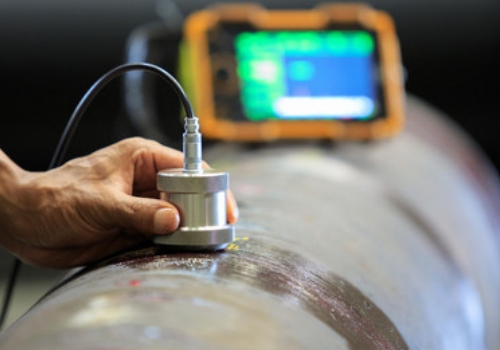
Poor quality control ruins good steel. You might receive defective pipes. We must inspect every single piece. I will show you our strict process. We ensure the quality of ASTM A106 steel pipe through strict testing. We conduct chemical analysis, tension tests, and flattening tests. We also use non-destructive tests. These steps guarantee the pipes meet international standards and perform safely in extreme environments.
Strict Quality Control Process
Quality control is the most important step in manufacturing. Bad pipes cause massive accidents. We take this responsibility very seriously. We test every pipe before it leaves our factory. First, we check the chemical elements. We use advanced machines to read the carbon and manganese levels. Second, we test the physical strength. We pull the steel until it breaks. This proves the tensile strength. Third, we do a flattening test. We crush the pipe slightly. We reject the pipe if the steel cracks. We also use non-destructive testing. We use ultrasound machines to look inside the steel wall. This finds hidden flaws. I recently hosted a client inspection for a major construction project. The EPC engineers watched our testing process. They saw our ISO and CE certifications. They felt very confident in our Finego Steel products.
| Test Type | Purpose | Pass Criteria |
|---|---|---|
| Chemical Analysis | Check material makeup | Meets ASTM standards |
| Tension Test | Check physical strength | Meets psi requirements |
| Ultrasound | Find hidden cracks | No internal flaws |
You need a supplier who cares about safety. We provide full testing reports with every order. You always know exactly what you are buying.
Conclusion
ASTM A106 seamless pipes offer incredible strength for high-temperature projects. Choosing Finego Steel guarantees you get the right grades and reliable quality for your next industrial pipeline.
- No.101 Wanbo 1st Road, Nancun Town, Panyu District, Guangzhou, Guangdong, China
- 0086-020-84886013,84886093,84886091,84886012
- sales@finegosteel.com