
 Language
- No.101 Wanbo 1st Road, Nancun Town, Panyu District, Guangzhou, Guangdong, China
- 0086-020-84886013,84886093,84886091,84886012
- sales@finegosteel.com
- Complaints & Suggestions : suggest@finegosteel.com


Product News
What Is Steel Pipe Piling and Why Does Your Deep Foundation Need It?
Are your heavy construction projects sinking under weak soil conditions? Unstable foundations cause massive delays. Steel pipe piling provides the ultimate strength to hold heavy loads safely. Steel pipe piling is a popular deep foundation method. Large steel pipes go deep into the ground. They transfer heavy structural loads to stronger soil layers below. The system relies on friction and smart structural design. It supports massive weight easily. This makes it ideal for buildings and bridges.
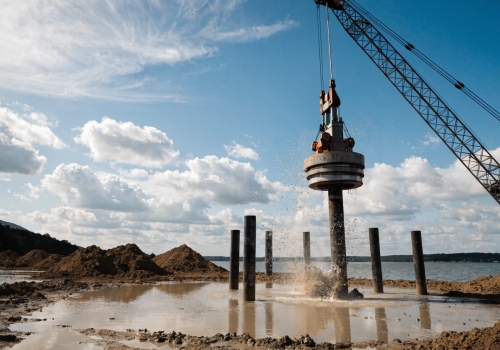
You might wonder if this method is right for your next big project. Keep reading to see exactly how these powerful steel pipes work and why they beat other options.
How does steel pipe piling work in civil construction?
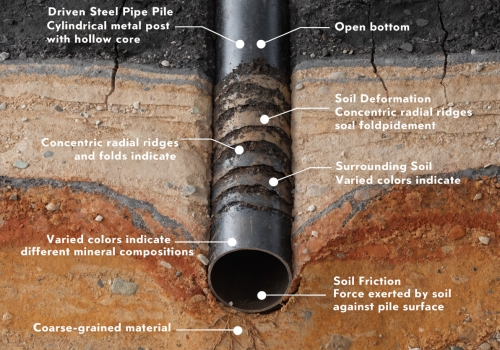
Deep foundation design can be a huge headache. Wrong choices lead to cracked structures. Knowing how pipe piles interact with the ground solves this problem fast. Steel pipe piles work by being driven deep into the earth. Workers use large impact hammers for this job. The pile stays in place mainly through friction against the surrounding soil. We adapt the pipe thickness to match specific ground conditions and support massive weights safely.
The Role of Load Bearing
I have seen many EPC projects fail. Designers often misunderstand soil mechanics. We use steel pipe piles to solve this exact problem. The process is very straightforward. A large machine hits the steel pipe. The pipe goes deep into the ground. As the pipe moves down, the soil pushes against the outside of the pipe. This push creates heavy friction. The friction holds the pipe tightly in place. Heavy structures need solid support. Steel pipes handle this perfectly. The steel material itself takes the heavy load from the building above. Then, the pipe transfers this heavy load deep into the hard earth.
Real Project Experience
Last year, I worked with a contractor in Australia. They built a large port facility on very soft sand. They worried about the buildings sinking. We supplied high-strength steel pipe piling for them. The pipes reached the solid rock below the sand. The port stands strong today. Here is a quick breakdown of how soil types affect the process:
| Soil Type | Piling Action | Result |
|---|---|---|
| Soft Clay | Deep driving required | Relies heavily on side friction |
| Hard Rock | Driven to rock surface | Relies on end-bearing strength |
| Loose Sand | Pipe compacts the sand | High friction and stable base |
What are the different types of steel pipe piling?
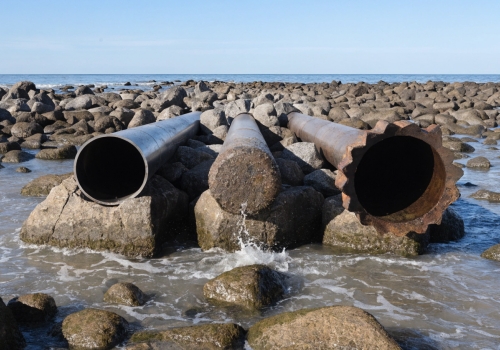
Choosing the wrong pile type wastes time and money. Rocky terrain destroys basic pipes. You need the exact pile design for your specific soil type. The main types of steel pipe piling include open-ended, plugged, bottom plate, and rock shoe piles. Open-ended piles transfer load through friction. Bottom plate and rock shoe piles are closed at the bottom. We use closed ends when the pile sits directly on hard rock.
Open-Ended vs. Closed-Ended
Every project has unique ground conditions. You cannot use one pipe for everything. At Finego Steel, we supply many variations to fit your exact needs. Open-ended pipes are hollow. When you drive them into the ground, dirt fills the inside. This dirt plug helps hold the pile. We use these mostly in soft soil areas. Closed-ended piles have a steel plate welded to the bottom. This plate pushes the soil away.
Specialized Pile Ends
Sometimes you hit hard rock. A basic pipe will bend or break. We use a rock shoe for this situation. A rock shoe is a heavy steel point. It bites into the rock to stop sliding.
European Market Example
We recently supplied piles for an offshore wind farm in Europe. The sea floor was mostly solid rock. We provided steel pipes with heavy rock shoes. This kept the wind turbines completely stable in rough sea conditions. Here is a guide to choosing the right pile:
| Pile Type | Best Ground Condition | Key Feature |
|---|---|---|
| Unplugged Open | Deep soft soil | High friction hold |
| Bottom Plate | Thin soil over rock | Prevents sliding |
| Rock Shoe | Direct rock contact | Bites into hard stone |
| Franki Pile | Requires concrete fill | High impact resistance |
How does steel pipe piling compare to other foundation methods?
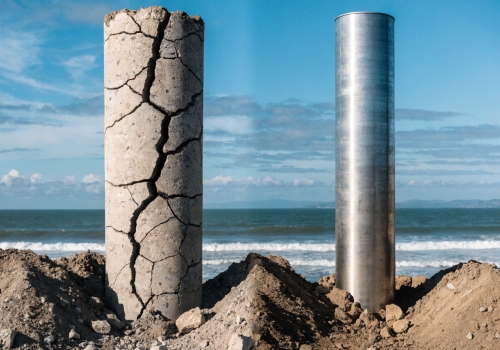
Concrete piles often crack during installation. Replacing broken piles kills your project budget. Steel piles offer a stronger, safer alternative to old-fashioned concrete or wood. Steel pipe piling is much stronger and more flexible than concrete or wood piling. Concrete piles break easily under heavy hammer strikes. They also cause huge ground vibrations. Steel piles drive smoother, resist cracking entirely, and support much heavier loads than H-beams.
The Problem with Concrete
You have many choices for deep foundations. Wood is too weak for big jobs. Concrete is popular but has many flaws. Steel is the ultimate choice for heavy construction. I talk to many engineers who hate concrete piles. When you drive concrete into hard earth, it vibrates heavily. Sometimes, the concrete shatters. If a pile shatters underground, you must dig it up. This ruins your schedule.
Steel Pipes vs. Steel H-Beams
You might also consider steel H-beams. H-beams are good. But pipe piles are better for pillar supports. A round pipe handles stress equally from all sides. An H-beam is weak on certain angles. We test this at Finego Steel every day.
Why Pipe Piles Win
Our pipes do not crack. They go into the ground easily. They cause less vibration. This protects nearby buildings from earthquake-like shaking. Compare the methods in this table:
| Material | Strength | Break Risk | Cost Factor |
|---|---|---|---|
| Wood | Low | Very High | Cheap |
| Concrete | Medium | High | Moderate |
| H-Beam Steel | High | Low | Expensive |
| Pipe Pile | Very High | Very Low | Highly Cost-Effective |
What are the main benefits of using steel pipe piling for your projects?
Rising construction costs hurt your company profits. Overpaying for custom foundations is a big mistake. Steel pipe piles are highly customizable, saving you money on wasted materials. The biggest benefit of steel pipe piling is total customization. You can tailor the exact length and thickness to meet your load needs. This prevents overspending. They are also fast to install, easy to inspect, and simple to extend during construction.
Customization Saves Money
As a purchasing manager, your goal is high quality and low cost. You work closely with engineers and production teams. You use CAD tools to plan the best designs. But you also need a one-stop integrated sourcing supplier. Finego Steel understands this goal completely. We know standard sizes do not fit every job. You do not need to buy thick pipes for light loads. That wastes your budget. We calculate your exact load needs. We supply the exact pipe thickness required. This saves tons of steel. Less steel means lower shipping costs to your sites in Europe and Australia.
Easy Installation and Safety
Installation speed is another big benefit. Pipe piles go down fast. You can inspect the inside of an open pile easily. This makes safety checks very simple. If a pile is too short, you just weld another piece on top.
Our Global Experience
Since 1996, Finego Steel has helped global clients build safe foundations. We export massive amounts of piles. We are your reliable one-stop supplier. Here are the key benefits summarized:
| Benefit Category | Specific Advantage | Impact on Project |
|---|---|---|
| Financial | Exact material sizing | Lowers total material cost |
| Operational | Fast driving speed | Saves labor hours |
| Safety | Easy to inspect inside | Prevents future collapse |
| Flexibility | Easy to weld extensions | Solves unexpected deep soil issues |
Conclusion
Steel pipe piling offers the strongest, most flexible deep foundation for massive loads. Finego Steel is your trusted partner to supply these perfect pipes for your next big project.
- No.101 Wanbo 1st Road, Nancun Town, Panyu District, Guangzhou, Guangdong, China
- 0086-020-84886013,84886093,84886091,84886012
- sales@finegosteel.com