
 Language
- No.101 Wanbo 1st Road, Nancun Town, Panyu District, Guangzhou, Guangdong, China
- 0086-020-84886013,84886093,84886091,84886012
- sales@finegosteel.com
- Complaints & Suggestions : suggest@finegosteel.com


Product News
What are the best flanges for oil and gas industry?
Are pipe leaks ruining your project schedule? Bad connections cost you money. I will show you the right flanges to build a secure pipeline system. Flanges for oil and gas industry are important parts that connect pipes, valves, and pumps. They give workers easy access for cleaning and inspection. The most common types include weld neck, slip-on, lap joint, threaded, blind, and socket weld flanges.
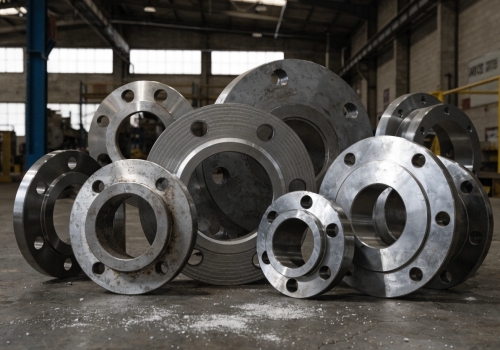
You need strong pipelines to keep your plant safe. Read the sections below to see how each flange type matches your exact project demands.
Why do you need weld neck flanges for high pressure?
High pressure destroys weak pipe joints quickly. A sudden pipe burst ruins your entire operation. Weld neck flanges solve this by moving stress to the pipe. Weld neck flanges have a long, tapered hub. You weld this hub directly to the pipe. This shape lowers stress at the base. These are the best choice for high-pressure jobs, making them popular flanges for oil and gas industry.
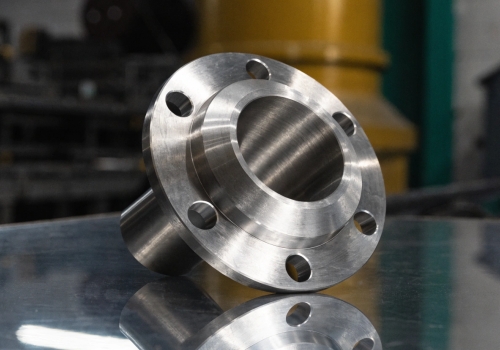
How weld neck flanges handle extreme conditions
I always recommend weld neck flanges for severe conditions. The long hub provides great strength. The smooth transition from flange thickness to pipe thickness prevents weak spots. We produce these flanges from high-quality stainless steel to ensure good welding results. I worked with an EPC contractor in America last year. They built a deep-water offshore platform. They needed flanges that could survive constant bending and extreme pressure. I supplied them with heavy-duty weld neck flanges. These parts performed perfectly. Our team at Finego Steel understands these strict demands. You can see the basic performance traits in the table below.
| Feature | Description | Best Application |
|---|---|---|
| Hub Design | Long and tapered | High stress areas |
| Connection | Butt welded to pipe | Permanent main lines |
| Strength Level | Very high | Extreme pressure |
When do slip-on and threaded flanges work best?
Tight project deadlines create stress for your team. Slow installation wastes your labor budget. Slip-on and threaded flanges offer you a fast solution for low-pressure systems. Slip-on flanges slide over the pipe. You weld them on the inside and outside. Threaded flanges screw onto the pipe without any welding. Both types save time and money. Engineers favor them for low-pressure and low-temperature fluid transport.
Fast installation lowers your total cost
Slip-on flanges and threaded flanges share one great benefit. They are very easy to install. You do not need to prepare the pipe ends perfectly. A slip-on flange requires two simple fillet welds. A threaded flange needs no welding at all. This saves hours of labor. I managed a large supply contract for a new urban pipeline network in Africa. The local workers needed parts that were simple to assemble. We provided hundreds of slip-on and threaded flanges. They used the threaded types for air and water utility lines. This allowed them to fix connections quickly without special welding tools. Look at the comparison table below.
| Flange Type | Installation Method | Welding Required? | Best For |
|---|---|---|---|
| Slip-on | Slides over pipe | Yes (Inside & Outside) | Low-pressure lines |
| Threaded | Screws onto pipe | No | Quick utility fixes |
How do lap joint and blind flanges help your maintenance?
Frequent pipeline repairs stop your daily production. Hard-to-reach joints frustrate your maintenance workers. Lap joint and blind flanges make system isolation and pipe dismantling very simple. A lap joint flange uses a loose backing ring over a welded stub end. This lets you align bolt holes easily. A blind flange has no center hole. You use it to seal off piping ends or valves safely during routine maintenance.
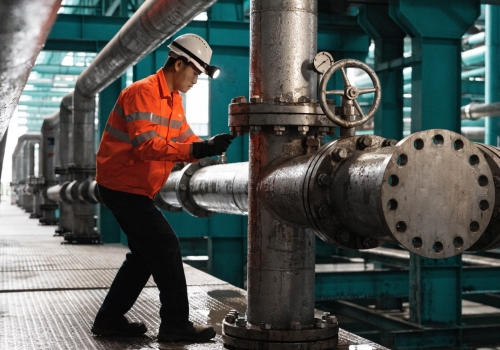
Smart choices for tight spaces and easy access
Maintenance is a huge part of the oil and gas industry. You must clean and check your pipes regularly. Lap joint flanges are perfect for tight spaces. The backing flange spins freely. You can match the bolt holes without turning the whole pipe. This makes assembly very fast. Blind flanges are just as important. They create a safe barrier. You use them when you need to shut off one section of the plant. I worked with a major refinery upgrade project in Turkey recently. They needed to replace old valves frequently. I suggested using carbon steel lap joint flanges with high-grade stub ends. This saved them a lot of money on materials. They also used our blind flanges as temporary manholes. Here is a breakdown of their uses.
| Flange Type | Main Purpose | Key Benefit |
|---|---|---|
| Lap Joint | Frequent dismantling | Easy bolt alignment |
| Blind | Sealing pipeline ends | Safe system isolation |
We at Finego Steel always help you find the smartest design. You can combine a cheap backing flange with an expensive stub end. You get high corrosion resistance where the fluid touches the metal. You spend less on the outside ring.
Conclusion
You must choose the right connections to protect your pipeline. Finego Steel provides top-quality flanges for oil and gas industry projects worldwide. Contact me today to discuss your exact needs.
- No.101 Wanbo 1st Road, Nancun Town, Panyu District, Guangzhou, Guangdong, China
- 0086-020-84886013,84886093,84886091,84886012
- sales@finegosteel.com