
 Language
- No.101 Wanbo 1st Road, Nancun Town, Panyu District, Guangzhou, Guangdong, China
- 0086-020-84886013,84886093,84886091,84886012
- sales@finegosteel.com
- Complaints & Suggestions : suggest@finegosteel.com


Product News
How Do You Choose the Best SMLS Carbon Steel Pipe for Your Next Project?
Do pipe failures delay your construction projects? Bad materials cost you time and money. I will show you how the right pipe solves these problems permanently. A smls carbon steel pipe is a high-strength, seamless tube made by piercing solid steel. Engineers use it for high-pressure, high-temperature, and corrosive environments. It offers better durability than welded pipes, making it ideal for boilers, oil pipelines, and heavy construction tasks.
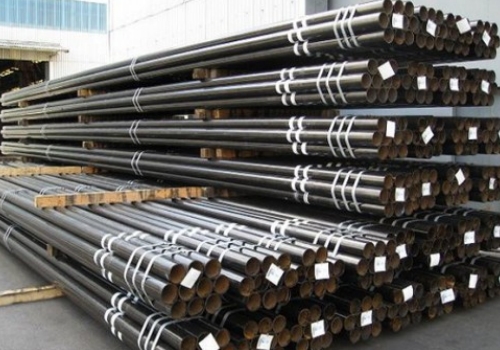
I know that finding reliable materials feels overwhelming. You will discover exactly how to evaluate, select, and source the perfect piping solutions below.
What Exactly Makes a SMLS Carbon Steel Pipe Different from Welded Alternatives?
You worry about weak weld seams bursting under high pressure. This risk threatens your safety records. A seamless manufacturing process removes this weak point completely. A smls carbon steel pipe lacks a welding seam. Factories make it by heating a solid steel billet and piercing it. This uniform structure withstands higher pressures, handles extreme temperatures, and offers superior mechanical strength.
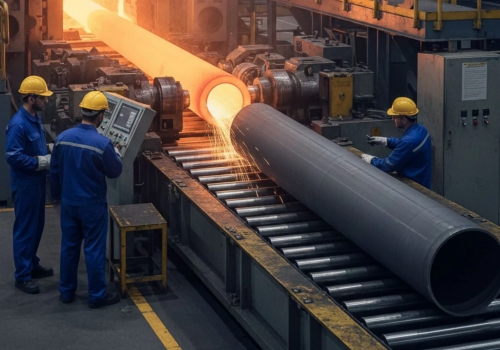
I often visit our production lines at Finego Steel. I watch the hot solid steel billets transform into hollow tubes. This process fascinates me every time. We do not use any welding here. We rely entirely on piercing and extrusion. This method ensures that the metal grain remains continuous.
The Core Differences in Manufacturing
You must understand how we make these pipes to appreciate their strength. Welded pipes start as flat steel plates. Machines roll these plates into cylinders. Welders then join the edges together. That weld seam creates a potential failure point. A smls carbon steel pipe starts as a solid block. The extrusion process creates a uniform wall thickness. You get a perfect circle of solid metal.
Why Engineers Prefer Seamless Tubes
Many engineers tell me they cannot risk a seam failure in high-stress jobs. They choose seamless tubes for absolute peace of mind. We can break down the technical differences clearly.
| Feature | Seamless Pipe | Welded Pipe |
|---|---|---|
| Manufacturing | Pierced solid billet | Rolled and welded plate |
| Weak Points | None | Weld seam |
| Pressure Rating | Very High | Low to Medium |
| Best Use | High stress, high heat | General plumbing, structural |
You see that seamless options offer clear advantages. You get better reliability when you face extreme project conditions. You save money by avoiding costly pipe bursts.
Which SMLS Carbon Steel Pipe Grades Fit Your Specific Working Conditions?
Choosing the wrong pipe grade causes fast corrosion and system failure. You waste your budget on early replacements. Matching the grade to the environment solves this. Common smls carbon steel pipe grades include ASTM A106 for high heat, ASTM A53 for general use, API 5L for oil and gas, and ASTM A333 for freezing temperatures. Each grade offers specific limits to match different industrial requirements.
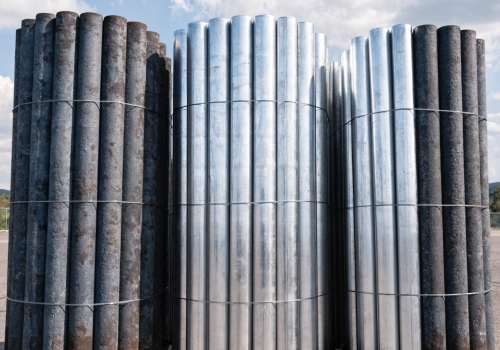
I remember a time when a client almost ordered the wrong grade for a sub-zero project. I stepped in and changed their order to ASTM A333. That small change saved their entire pipeline from cracking in the winter. You need to know your grades to avoid disasters.
Breaking Down the Main Grades
You will encounter four main grades in our industry. ASTM A106 works best for high temperatures. I see it mostly in large power plants. ASTM A53 fits basic low-pressure jobs like building water lines. API 5L serves the oil and gas sector because it resists sour service corrosion. ASTM A333 handles extreme cold weather environments.
How to Match Grade to Application
I always tell purchasing managers to look at the maximum operating temperature first. You then check the internal pressure needs. You finally consider the type of fluid inside the pipe.
| Pipe Grade | Primary Application | Temperature Range | Key Benefit |
|---|---|---|---|
| ASTM A106 | Refineries, Boilers | Up to 750°F | High heat resistance |
| ASTM A53 | Water, Air lines | Up to 550°F | Cost-effective |
| API 5L | Oil & Gas | Variable | Excellent flow, sour service |
| ASTM A333 | Cryogenics | -50°F to +650°F | Sub-zero toughness |
What Are the Major Applications and Protective Benefits of These Pipes?
You face harsh environments that destroy normal metal quickly. Constant repairs ruin your project timeline. Protective coatings on strong steel prevent this fast degradation. Industries use these pipes for oil rigs, chemical refineries, power boilers, and construction frameworks. Factories apply galvanization, epoxy coatings, or paint linings to the surface. These coatings stop rust, extend service life, and lower your long-term maintenance costs.
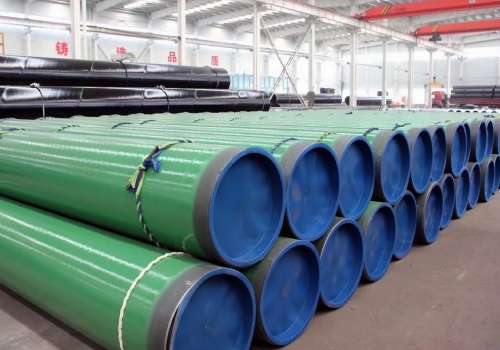
I once visited an offshore oil rig that used our coated pipes. The salt water ruined everything else on the platform. Our pipes looked brand new after five years. This experience proved the true value of proper surface protection.
Key Industry Applications
You find these pipes in the most demanding industrial sectors. The petrochemical industry relies on them to move volatile chemicals safely. Power plants use them to transport superheated steam. Construction teams build massive structural frameworks with them because they handle heavy mechanical loads easily.
The Power of Protective Coatings
Carbon steel rusts if you leave it bare. We solve this exact problem with modern coating technologies. You can choose galvanization for basic outdoor use. You might need thick epoxy for harsh chemical areas.
| Coating Type | Protection Level | Best Environment | Expected Lifespan |
|---|---|---|---|
| Bare/Oiled | Low | Dry, indoor | Short |
| Galvanized | Medium | Outdoor, wet | 15+ years |
| 3PE / Epoxy | High | Underground, marine | 25+ years |
How Can Finego Steel Help You Source Your Materials Efficiently?
Managing multiple suppliers gives you terrible headaches. Late deliveries delay your site work. A reliable one-stop supplier eliminates this supply chain chaos completely. Finego Steel provides a one-stop sourcing solution for your pipeline needs. We offer high-quality pipes, fittings, and valves. We help EPC purchasing managers save costs while ensuring fast delivery for complex construction projects worldwide.
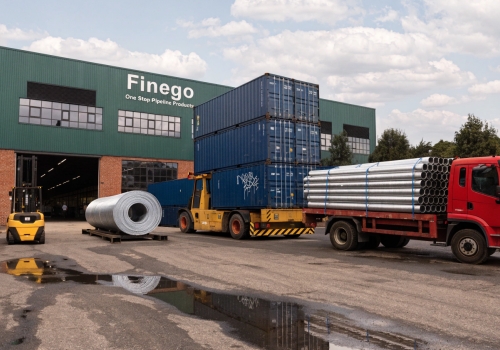
I talk to busy purchasing managers like you every day. I hear about your daily struggles with inconsistent suppliers. I helped a large EPC company last year. They needed pipes, valves, and fittings fast. We bundled everything together in our factory and shipped it early. They saved significant money on their total budget.
Why One-Stop Sourcing Matters
You waste valuable time when you talk to five different factories. You risk serious compatibility issues between your pipes and fittings. We solve this headache by producing and integrating everything in one place. You get perfectly consistent quality across all your building materials.
Quality You Can Trust
We have integrated production and sales at Finego Steel since 1996. We test every single batch of pipes strictly. We welcome international third-party inspectors like SGS or TUV to our factory.
| Service Feature | Traditional Sourcing | Finego Steel Solution |
|---|---|---|
| Supplier Count | Many | One |
| Quality Control | Inconsistent | Certified (ISO, CE) |
| Cost Efficiency | Low (high shipping) | High (bundled shipping) |
| Time Spent | Weeks | Days |
You make your stressful job much easier when you partner with us. We handle all the difficult manufacturing details so you can focus on building great projects.
Conclusion
You now know how to select the perfect seamless pipes for your projects. We at Finego Steel stand ready to provide the high-quality materials you need today.
- No.101 Wanbo 1st Road, Nancun Town, Panyu District, Guangzhou, Guangdong, China
- 0086-020-84886013,84886093,84886091,84886012
- sales@finegosteel.com