
 Language
- No.101 Wanbo 1st Road, Nancun Town, Panyu District, Guangzhou, Guangdong, China
- 0086-020-84886013,84886093,84886091,84886012
- sales@finegosteel.com
- Complaints & Suggestions : suggest@finegosteel.com


Product News
What is the exact cs pipe specification you need to know?
Are you struggling to choose the right carbon steel pipes? Picking the wrong pipe causes big project failures. Let me help you understand the basics clearly. The standard cs pipe specification defines the exact size, grade, and material of carbon steel pipes. Common standards include ASTM A106, ASTM A53, and API 5L. These pipes handle different pressures. They range from 1/2 inch to 36 inches in diameter.
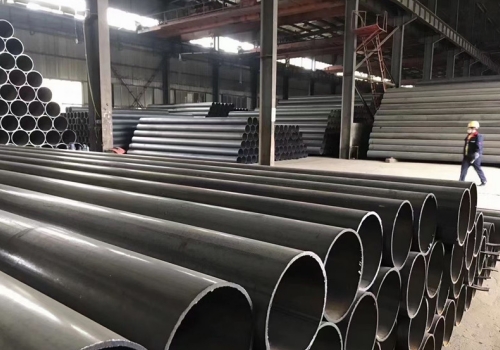
You might think all steel pipes are the same. But the small details matter a lot. You risk your whole project if you ignore the exact specs. Keep reading to learn the exact pipe details.
What are the common types and grades in the cs pipe specification?
Do you find pipe grades confusing? A bad choice wastes your money and time. Here is a simple guide to help you understand pipe grades. The main grades in the cs pipe specification are ASTM A106 for high heat, ASTM A53 for general use, and API 5L for oil. Carbon steel pipes come in seamless and welded forms. They fit different project needs perfectly.
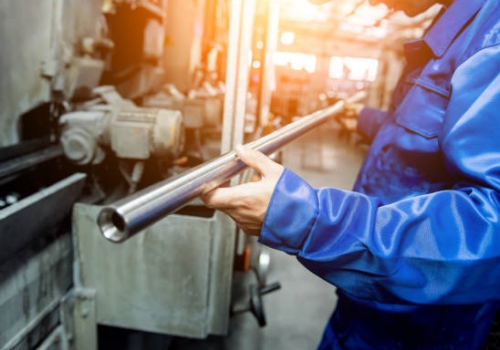
In my 18 years of working with pipes, I see many people mix up pipe grades. At Finego Steel, we always check the exact needs of your project first. We want to save you money. The carbon content in these pipes can reach up to 2.1 percent of the total weight. More carbon makes the pipe harder. More carbon also makes the metal stronger. But it means the pipe bends less easily. You must balance strength and flexibility carefully. Most carbon steel pipes use Grade B steel. This steel has a minimum yield strength of 35,000 psi. ASTM A106 is very popular in our warehouse. We sell it a lot for high-temperature jobs. Power plants use ASTM A106 often. ASTM A53 is another basic choice for our clients. You can use it for simple water lines. You can use it for air lines too. Sometimes, factories mark a single pipe with three standard codes. We call this a "three standards steel pipe." It meets ASTM A106, ASTM A53, and API 5L rules at the same time. This makes the pipe very useful.
| Standard Code | Main Purpose | Pipe Type |
|---|---|---|
| ASTM A106 | High heat service | Seamless |
| ASTM A53 | General purpose | Seamless or Welded |
| API 5L | Oil and gas lines | Seamless or Welded |
| ASTM A335 | High wear and tear | Seamless Alloy/Carbon |
How do making methods affect the cs pipe specification?
Are you unsure whether to buy seamless or welded pipes? The wrong choice leads to leaks. Let us look at how factories make these pipes to help you decide. The cs pipe specification includes seamless, ERW, LSAW, and SSAW methods. Seamless pipes handle high stress well. Welded pipes like ERW are cheap. LSAW pipes are strong and good for large oil lines.
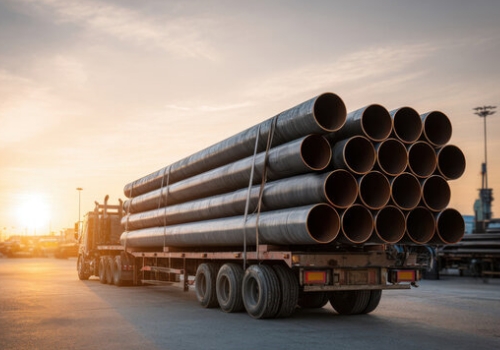
I often tell my clients that the making process changes the pipe completely. A carbon steel seamless pipe has no weld seam at all. Factories make it from a solid piece of hot metal. They stretch the metal to make the pipe. This makes the pipe very strong. It resists high stress very well. A little bit of silicon and manganese gives it extra strength. I always suggest seamless pipes for heavy-duty jobs. Chemical plants need seamless pipes. Oil refineries need them too. On the other hand, we have welded pipes. These include ERW and LSAW types. ERW pipes are light. ERW pipes are also cheap. We sell ERW pipes for general engineering. Transmission towers use them frequently. LSAW pipes are strong. LSAW pipes cost more money. People use LSAW pipes for high-pressure gas lines. At Finego Steel, we supply all these types. We make sure they meet your exact size needs. We check the thickness closely. The thickness ranges from Schedule 40 to Schedule 160.
| Making Method | Best Features | Common Uses |
|---|---|---|
| Seamless | High strength, no seams | Chemical plants, high heat |
| ERW | Light weight, low cost | General engineering, auto parts |
| LSAW | Good for large sizes | High pressure oil and gas |
| Fabricated | High durability | Desalination, pulp and paper |
What are the frequently asked questions about carbon steel pipes?
Do you still have questions about carbon steel pipes? Unanswered questions delay your work. Here are some direct answers to clear your doubts immediately. People often ask about carbon limits, pipe sizes, and best uses. A good cs pipe specification covers these details clearly. Here is a simple FAQ list. This list helps you understand carbon steel pipes better. Over my 18 years in the construction industry, I answer the same questions a lot. I want to share these answers with you directly. You need clear answers to make good buying choices. A clear cs pipe specification solves many problems.
Q: What is the maximum carbon content in carbon steel pipes?
A: The carbon content can reach up to 2.1 percent of the total weight. You make the pipe harder when you add more carbon. But the pipe also loses flexibility. A black carbon steel pipe breaks easily if the carbon is too high.
Q: What sizes are available for these pipes?
A: Carbon steel pipes come in sizes from 1/2 inch to 36 inches. You can pick different wall thicknesses. The most common thicknesses are Schedule 40, Schedule 80, and Schedule 160. Finego Steel stocks all these sizes.
Q: What is the difference between ASTM A106 and ASTM A53?
A: ASTM A106 is for high-temperature jobs. Factories always make it seamless. ASTM A53 is for general use. Factories make it seamless or welded. Factories also coat ASTM A53 pipes with zinc sometimes. The zinc stops rust.
Q: Where do people use carbon steel pipes the most?
A: We see them in many places. Power plants use them. Oil refineries use them. Sugar mills and shipbuilders use them too. They are very safe for moving water, oil, and gas.
Q: What makes ASTM A335 different from normal carbon steel?
A: ASTM A335 has extra metals like chromium and molybdenum. These metals add high wear resistance. They add high heat resistance. We supply this grade for extreme power generation tasks.
Conclusion
The right cs pipe specification ensures your project runs smoothly and safely. You must understand the grades and choose the correct making method to keep your pipeline working for years.
- No.101 Wanbo 1st Road, Nancun Town, Panyu District, Guangzhou, Guangdong, China
- 0086-020-84886013,84886093,84886091,84886012
- sales@finegosteel.com