
 Language
- No.101 Wanbo 1st Road, Nancun Town, Panyu District, Guangzhou, Guangdong, China
- 0086-020-84886013,84886093,84886091,84886012
- sales@finegosteel.com
- Complaints & Suggestions : suggest@finegosteel.com


Product News
What Are Carbon Steel Forged Pipe Fittings and How Do You Choose Them?
Date:2026-08-04
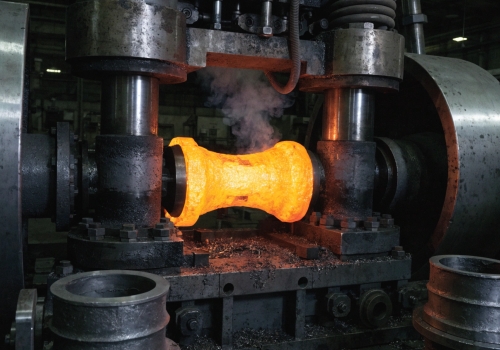
High pressure ruins weak pipes. You face leaks and huge project delays if you buy the wrong parts. Carbon steel forged pipe fittings solve this problem. Carbon steel forged pipe fittings are small-diameter, high-pressure components made by pressing heated carbon steel blocks. This strong pressing process creates perfect shapes like elbows and tees. They are essential for building safe, leak-proof pipeline systems.
You do not want to stop reading here. The right choice keeps your pipeline safe for years, while the wrong choice brings disaster. Read on to discover the exact details you must know before you buy.
How Does the Forging Process Create Better Pipe Fittings?
Weak materials crack under heavy stress. Your pipeline system needs parts that handle high pressure safely. The forging process gives steel the ultimate strength you need. Forging heats carbon steel to high temperatures and applies massive machine pressure. This forces the steel to change shape without breaking. The result is a fitting with perfect internal structure, exact size, and strong physical features.
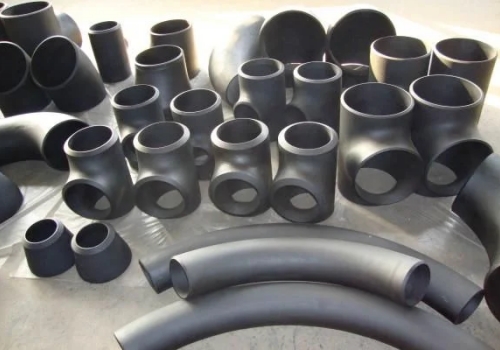
At Finego Steel, we see many buyers struggle with material rules. You need to know exactly what you are buying. The forging process changes the metal. It removes tiny holes inside the steel. This makes the metal much stronger.
Common Material Standards
We normally use carbon steel with a carbon content between 0.25% and 0.55%. This amount of carbon gives the best mix of strength and easy cutting. When I talk to site workers, they always ask about standards. Here is what you should check:
· ASTM A350 LF2
· ASTM A694
Size and Pressure Ratings
You also need to match the size and pressure. Forged fittings usually come in small sizes. The size ranges from 1/8 inch to 4 inches. Pressure ratings are very important. We use specific classes to show how much pressure a fitting can handle safely.
| Pressure Class | PSI Rating | Common Use |
|---|---|---|
| Class 2000 | 2000 psi | Standard industrial use |
| Class 3000 (3M) | 3000 psi | High pressure systems |
| Class 6000 (6M) | 6000 psi | Severe high pressure |
| Class 9000 | 9000 psi | Extreme pressure conditions |
Threaded vs. Socket Welded: Which Connection Should You Use?
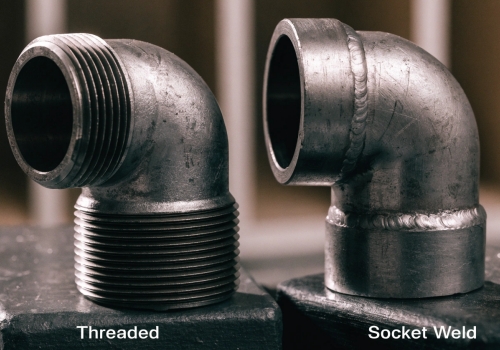
Picking the wrong connection method wastes your time. Your workers might struggle with the setup. Choosing between threaded and socket welded parts depends on your specific system. Threaded fittings connect pipes tightly using screw threads, which is great for easy repairs. Socket welded fittings require inserting the pipe into a hole and welding it. This provides a stronger, tight seal for high-pressure systems.
I have helped many clients choose the right connection. Your choice depends on your daily work. You must think about future repairs and safety.
Threaded Pipe Fittings
Threaded pipe fittings are very common in water lines, fire safety, and cooling systems. You usually use them for small pipes under DN 50. You can install them fast. You can take them apart easily for repairs. We make them in forms like NPT, BSPP, and BSPT. They come in shapes like 45-degree elbows, crosses, and tees.
Socket Welded Pipe Fittings
Socket welded pipe fittings are totally different. You push the steel pipe into the socket hole and weld the outside edges. I always advise using these for dangerous jobs. They handle high pressure, high heat, and heavy shaking. They are very safe and do not leak.
Connection Guide
Here is a simple table to help you decide:
| Feature | Threaded Fittings | Socket Welded Fittings |
|---|---|---|
| Setup | Fast and easy | Slow, needs a good welder |
| Repairs | Easy to take apart | Permanent, hard to remove |
| Best For | Still areas, routine checks | Heavy shaking, extreme pressure |
| Risk of Leak | Moderate | Very low |
Choose threaded parts for easy access. Choose socket welded parts for permanent safety.
Why Choose Forged Fittings Over Cast Fittings for Your Project?
Broken fittings cost you a lot of money. Cast parts can hide dangerous holes inside the metal. Forged fittings give you the peace of mind that your pipeline is safe. Forged pipe fittings offer much higher strength than cast fittings. The forging process removes hidden flaws like air bubbles. Cast fittings are cheaper to make, but forged fittings have a smoother surface and last longer under pressure. Many buyers want to save money today. They ask me if they can use cast fittings instead. I always tell them to look at the future costs.
The Hidden Risks of Casting
Factories make cast fittings by pouring hot liquid metal into a shape mold. This way is cheap. But it leaves tiny air bubbles inside the metal. These hidden holes make the metal weak. If the water or gas pressure goes up suddenly, the fitting can crack open.
The Finego Steel Advantage
Forging pushes solid hot steel into shape. It squeezes the metal tight. There are no air bubbles inside. At Finego Steel, we supply many large projects in Southeast Asia. Last year, we sent thousands of carbon steel forged pipe fittings to a major pipeline project in Malaysia. The local heat and wet weather are very tough on metals. The high system pressure required absolute safety. Our forged fittings worked perfectly. The client saved a lot of money because they had zero leaks and their work never stopped.
Quick Comparison
| Detail | Forged Pipe Fittings | Cast Pipe Fittings |
|---|---|---|
| Strength | Very High | Lower |
| Inner Flaws | None | High Risk (Air bubbles) |
| Cost | Higher today | Lower today |
| Surface | Smooth | Rough, needs extra work |
What Are the Most Frequently Asked Questions About Carbon Steel Forged Pipe Fittings?
Unanswered questions lead to bad buying choices. You need clear facts before you place an order. Here are the top questions buyers ask us every single day. Buyers often ask about size limits, pressure marks, and metal types for carbon steel forged pipe fittings. Knowing the exact limits of these fittings helps you match them perfectly to your pipeline design. This stops costly mistakes. When I speak to new clients, they always share the same worries. I want to give you the clear answers right here.
Q: What is the normal size range for carbon steel forged pipe fittings?
A: The normal size range is small. We supply sizes from 1/8 inch to 4 inches. If you need bigger sizes, you must look at butt-weld fittings instead of forged ones.
Q: What do "3M" and "6M" mean on a fitting?
A: These short codes tell you the pressure class. "3M" means Class 3000, so the fitting can handle 3000 psi of pressure safely. "6M" means Class 6000, so it handles 6000 psi. You must check your system pressure before you buy.
Q: Are socket welded fittings stronger than threaded fittings?
A: Yes. Because you weld the pipe directly to the fitting, the joint becomes one piece. It handles shaking and pressure changes much better than a threaded joint.
Q: Why do you use carbon steel instead of stainless steel?
A: Carbon steel offers great strength and is easy to cut and shape. It is also much cheaper for high-pressure industrial jobs where bad chemical rust is not the main problem.
Conclusion
Carbon steel forged pipe fittings give your pipeline unmatched strength and safety. By understanding the rules, sizes, and connection types, you can choose the right parts for a perfect project.
- No.101 Wanbo 1st Road, Nancun Town, Panyu District, Guangzhou, Guangdong, China
- 0086-020-84886013,84886093,84886091,84886012
- sales@finegosteel.com
We use cookies and other tracking technologies to improve your browsing experience on our website, to show you personalized content and targeted ads, to analyze our website traffic, and to understand where our visitors are coming from,This behavior is in compliance with the user consent policy.