
 Language
- No.101 Wanbo 1st Road, Nancun Town, Panyu District, Guangzhou, Guangdong, China
- 0086-020-84886013,84886093,84886091,84886012
- sales@finegosteel.com
- Complaints & Suggestions : suggest@finegosteel.com


Industry News
What is Buttress Thread Casing and Why Does Your Well Need It?
Date:2026-11-17
Leaking pipes cost you money. A bad connection ruins your whole drilling project. A buttress thread casing solves this problem and gives you a strong seal every time. Oil drillers use buttress thread casing as a heavy steel pipe connection in deep wells. It features a flat shape that handles high pulling forces and stops leaks. This design keeps your well safe from extreme underground pressure.
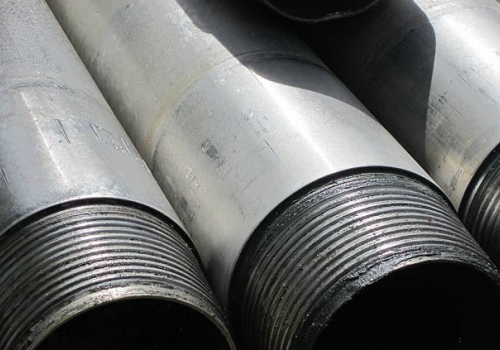
You might wonder how this specific thread design works in the field. Let me show you exactly why this pipe connection matters and how it saves you from costly downtime.
How Does the Anatomy of Buttress Thread Casing Work?
Weak pipe joints break under stress. You lose time fixing broken parts. The right thread shape handles the heavy weight easily and keeps your site running. The thread features a flat shape with a specific angle and five threads per inch. This exact design gives the pipe high pulling strength and makes assembly fast. It stops fluid leaks during high-pressure drilling. To truly understand why buttress thread casing works better than standard connections, we must look at its design. I see many standard threads fail because they cannot hold the sheer weight of a long pipe string. The buttress design fixes this problem completely. The flat side of the thread takes the pulling load. The angled side makes it easy to slide the pipes together. This means your team spends less time twisting pipes and more time drilling.
Key Design Features
· Fast assembly reduces expensive labor hours on the rig.
· Tight seal prevents gas leaks in deep wells. Let us look at the exact numbers. We compare buttress threads to standard round threads. The data shows a clear winner for heavy projects.
| Feature | Buttress Thread | Round Thread |
|---|---|---|
| Thread Shape | Flat | Round |
| Threads Per Inch | 5 | 8 |
| Pulling Strength | Very High | Medium |
| Assembly Speed | Fast | Slow |
Why Do We Need Gages for Buttress Thread Casing?
Bad threads cause loose joints. A loose joint drops your pipe into the well. Good inspection tools catch bad threads before they cause a disaster. Plug and ring gages measure the threads to match industry rules. The plug gage checks the inside threads of the coupling. The ring gage checks the outside threads of the pipe. This confirms a perfect fit.
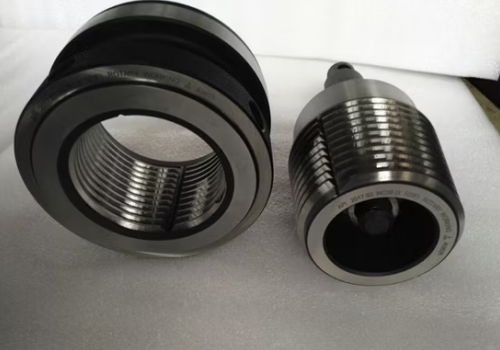
You cannot guess if a thread works. You must know for sure. If a thread is off by a tiny amount, the high pressure of the well will find that weak spot. I always tell my team at Finego Steel that we must test every single connection. We use master gages tested to the highest national standards. These master gages check our daily working tools.
The Inspection Process
· Measuring thread lead lines up the grooves perfectly.
· Verifying thread angle guarantees the wedge shape seals the joint. When you buy cheap pipes without proper gage testing, you take a massive financial risk. A blowout from a bad connection costs millions of dollars in rig damage and government fines. By testing the inside and outside threads, we stop leaks before the pipe even leaves our factory. The industry API rules demand this exact process. We follow these rules strictly. Every time you connect two pipes, they must lock together firmly. Proper gage testing makes this secure lock possible and keeps your site safe.
What Are the Real Benefits of Using These Strong Connections?
Deep wells break weak steel easily. You worry about safety and long-term costs. A proven thread system takes away the risk and protects your entire project. Using buttress thread casing guarantees total safety and massive cost savings. The strong threads stop gas leaks and prevent pipe drops. You avoid heavy fines and keep your drilling team safe on the job.
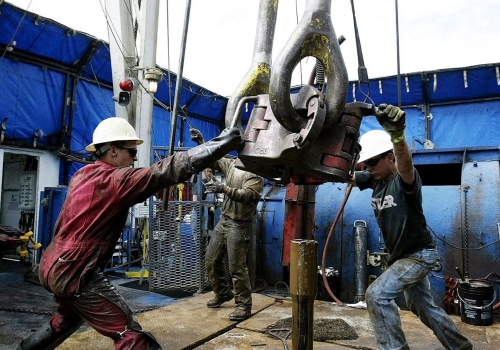
You want your pipeline projects to run smoothly from start to finish. When you choose the right casing connection, you remove a huge layer of stress. I help many buyers replace failed pipes. They always regret not buying the right thread first. The right choice brings clear benefits to your daily operations.
Main Project Benefits
1. Lower repair costs keep your project budget safe.
2. Better worker safety stops accidents on the drilling rig.
3.Strict legal compliance avoids massive government fines. We build our pipes to last a long time. When you use buttress thread casing, the metal resists damage. Damage happens when metal rubs against metal and tears. Because the buttress design slides together easily, the metal stays smooth. This means you can even take the pipes apart and put them back together without ruining the threads. In my experience, reusing undamaged pipes cuts material costs on big multi-well projects. You get a strong seal, a fast setup, and a product you can trust entirely.
Frequently Asked Questions (FAQs)
What is the main purpose of buttress thread casing?
The main purpose is to line the walls of drilled wells. This pipe protects the hole from fluids and gives you a strong connection that does not break under heavy weight.
How do plug and ring gages keep the well safe?
These metal tools measure the pipe threads exactly. They make sure the cuts match the required API rules. This exact match prevents gas leaks and pipe failures underground.
What makes this thread shape different from standard threads?
The thread has a flat shape instead of a round shape. This flat design holds much more pulling force and speeds up the assembly process on the rig.
Can I reuse these pipes after taking them apart?
Yes. The design resists metal tearing. You can unscrew the connections and use the pipes again on another job if you handle them properly.
Conclusion
Buttress threads keep your well safe and leak-free. Ready to secure your next big project? Contact Finego Steel today and order our reliable API 5CT Casing Pipe now.
- Prev : UOE vs JCOE: Which LSAW Pipe Forming Process Fits Your Project?
- Next : No matching information found
- No.101 Wanbo 1st Road, Nancun Town, Panyu District, Guangzhou, Guangdong, China
- 0086-020-84886013,84886093,84886091,84886012
- sales@finegosteel.com
We use cookies and other tracking technologies to improve your browsing experience on our website, to show you personalized content and targeted ads, to analyze our website traffic, and to understand where our visitors are coming from,This behavior is in compliance with the user consent policy.