
 Language
- No.101 Wanbo 1st Road, Nancun Town, Panyu District, Guangzhou, Guangdong, China
- 0086-020-84886013,84886093,84886091,84886012
- sales@finegosteel.com
- Complaints & Suggestions : suggest@finegosteel.com


Product News
Are you looking for a reliable ce certification api 5l x70 psl2 steel line pipe?
Date:2026-11-03
Sourcing high-quality steel pipes is hard. Low-grade materials cause leaks, project delays, and budget overruns. We offer certified pipes to keep your pipelines safe and your costs low. A ce certification api 5l x70 psl2 steel line pipe is a high-strength carbon steel pipe designed for safe, high-pressure fluid transmission. It meets rigorous safety standards, offering superior toughness, full traceability, and excellent weldability for critical construction projects.
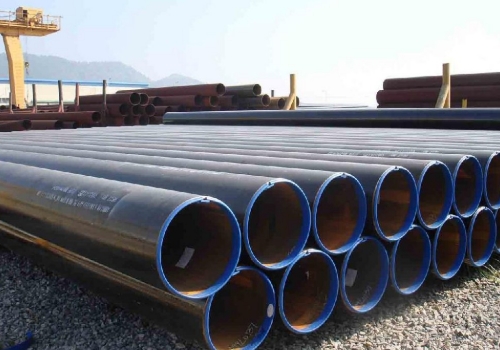
Navigating the complex world of steel pipe standards can feel overwhelming. Let me break down exactly what you need to know to make the best sourcing decision. This clear guide will help you stop guessing and start building.
What makes API 5L line pipe a global standard?
Confusing material specs waste your time. Picking the wrong pipe type ruins your project. Understanding API 5L helps you buy the exact match for your needs. API 5L is the leading standard created by the American Petroleum Institute. It defines the manufacturing rules for seamless and welded steel pipes used to transport oil, natural gas, and water across long distances safely. To truly understand the value of API 5L, we must look at how it classifies pipes based on their manufacturing process. Over my 18 years in the construction industry, I have seen many buyers struggle with choosing the right pipe type. API 5L covers several production methods to suit different budget and pressure needs. You can choose from seamless pipes for extreme pressures, or welded options like ERW, LSAW, and SSAW for larger diameters and big cost savings. This variety makes API 5L highly flexible. Here is a simple breakdown of the pipe types covered by API 5L:
| Pipe Type | Full Name | Best Application |
|---|---|---|
| Seamless | Seamless Steel Pipe | High-pressure, small diameter lines |
| ERW | Electric Resistance Welded | Medium pressure, cost-effective lines |
| LSAW | Longitudinal Submerged Arc Welded | High-pressure, thick-wall pipelines |
| SSAW | Spiral Submerged Arc Welded | Low-pressure, large diameter lines |
Benefits of choosing API 5L
Ensures reliable fluid transmission over long distances.
Offers a wide range of steel grades (from Gr B to X120).
Provides clear guidelines for chemical and mechanical testing.
Reduces maintenance costs due to strict quality controls. When you source an API 5L pipe, you guarantee a baseline of safety for your entire pipeline system. This standard protects your investment.
Why do modern projects demand PSL2 over PSL1?
Failing a safety inspection stops your work. Standard pipes cannot handle extreme environments. Upgrading to PSL2 protects your pipeline from sudden stress failures. PSL2 stands for Product Specification Level 2. It requires stricter control over chemical composition, mandatory impact testing, and full traceability. This makes PSL2 pipes far superior to PSL1 for demanding applications.
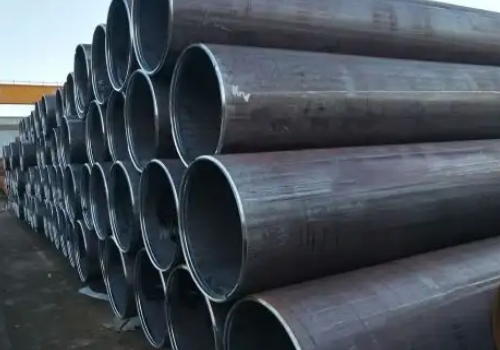
The shift from PSL1 to PSL2 is a major trend I have noticed in global procurement. In the past, buyers bought PSL1 to save money upfront. Today, the risks are simply too high. A pipeline failure costs millions in damages and ruins your reputation. PSL2 eliminates these hidden risks by adding mandatory physical tests that PSL1 ignores. Finego Steel focuses heavily on these advanced testing metrics. Let us look at the key differences between the two levels:
| Feature | PSL1 Requirements | PSL2 Requirements |
|---|---|---|
| Carbon Equivalent | Basic limits | Strict limits for better welding |
| Impact Test | Not required | Mandatory for all pipes |
| NDT Inspection | Partial | Comprehensive testing |
| Traceability | General | Full traceability required |
| Sour Service | Not suitable | Suitable options available |
Steps we take to ensure PSL2 quality
1. Test raw materials for exact chemical balance.
2. Perform Charpy V-notch impact tests.
3. Conduct non-destructive testing on all weld seams.
4. Maintain detailed records for full product traceability. Buying a ce certification api 5l x70 psl2 steel line pipe means you get a product that passes these strict tests. You save money in the long run because the pipe lasts longer and requires fewer repairs.
How do the latest API 5L testing requirements impact quality?
Hidden cracks lead to massive leaks. Relying on basic paper certificates is dangerous. Advanced physical testing guarantees your pipes hold up under pressure. The latest API 5L editions demand rigorous testing, including hydrostatic tests, ultrasonic testing, and drop-weight tear tests. These physical checks prove the pipe can handle specified pressures before it leaves our factory. Real quality control goes far beyond a simple material certificate. As a buyer, you need proof that the pipe will not fail underground. At Finego Steel, we do not guess; we test. The testing systems mandated by the 46th edition of API 5L focus heavily on preventing leaks and structural failures. Over my years of collaborating with engineers and production teams, I learned that skipping tests always costs more later. Here are the core testing methods we use in our facility:
| Test Name | Main Purpose | Standard Used |
|---|---|---|
| Hydrostatic Test | Verify high-pressure leak resistance | API 5L |
| Ultrasonic Testing | Detect hidden cracks or inclusions | ASTM E213 |
| DWTT | Verify resistance to crack spreading | API 5L |
Hidden risks of skipping tests
· Poor weld fusion leads to joint failures during installation.
· Incorrect chemical balance makes the steel brittle in cold weather. We avoid these risks by using automated hydrostatic equipment and online laser measurements. When you buy from us, you know every single pipe has passed real-world pressure simulations. This thorough testing is why our products easily pass third-party inspections from SGS and BV.
Frequently asked questions about API 5L steel pipes?
Unanswered questions delay your purchasing process. Guessing specifications leads to costly mistakes. Clear answers help you move forward with confidence. We receive many questions from buyers about steel grades, certifications, and manufacturing limits. Below, I answer the most common questions regarding API 5L pipes to help you finalize your sourcing strategy quickly. Over my years of working with designers and production teams, I have gathered the most frequent questions buyers ask before placing an order. Having this information upfront saves you time and prevents miscommunication. You need a one-stop integrated sourcing supplier who can answer your questions clearly.
Q: What is the difference between API 5L and ASTM A106?
A: API 5L is designed specifically for pipeline transmission systems over long distances. ASTM A106 is meant for high-temperature fluid systems, like industrial boilers.
Q: Why is CE certification important for these pipes?
A: CE certification proves that the product meets strict European health, safety, and environmental protection standards. It guarantees high manufacturing quality.
Q: Can you provide pipes for sour service environments?
A: Yes. We supply PSL2 pipes that meet NACE MR0175 standards. These pipes highly resist hydrogen sulfide cracking in tough sour service conditions.
Q: What size range do you offer for SSAW pipes?
A: We produce SSAW pipes in large diameters, typically ranging from 219mm to 3048mm. This size range is perfect for massive water and gas mains.
Why you need accurate answers
· Ensures compliance with local safety laws.
· Helps you calculate accurate project budgets.
· Aligns your engineering team with the factory floor.
Conclusion
Upgrading your pipeline safety starts with choosing the right materials and a tested manufacturing process. Finego Steel is your trusted partner. Contact us today to source your ce certification api 5l x70 psl2 steel line pipe.
- Prev : Centerway Steel Successfully Concludes Its Participation in ADIPEC 2026
- Next : No matching information found
- No.101 Wanbo 1st Road, Nancun Town, Panyu District, Guangzhou, Guangdong, China
- 0086-020-84886013,84886093,84886091,84886012
- sales@finegosteel.com
We use cookies and other tracking technologies to improve your browsing experience on our website, to show you personalized content and targeted ads, to analyze our website traffic, and to understand where our visitors are coming from,This behavior is in compliance with the user consent policy.