
 Language
- No.101 Wanbo 1st Road, Nancun Town, Panyu District, Guangzhou, Guangdong, China
- 0086-020-84886013,84886093,84886091,84886012
- sales@finegosteel.com
- Complaints & Suggestions : suggest@finegosteel.com


Product News
How to Choose the Best Wear Resistant Industrial Elbows?
You face frequent pipeline blowouts and high replacement costs. Constant maintenance slows down your entire construction project. The right elbow material stops these leaks and saves your budget. Wear resistant industrial elbows connect pipes at an angle while handling rough materials like sand, cement, and sawdust. Choosing induction-hardened steel elbows extends system life by up to four times. This choice reduces plugging and lowers total costs for heavy duty conveying systems.
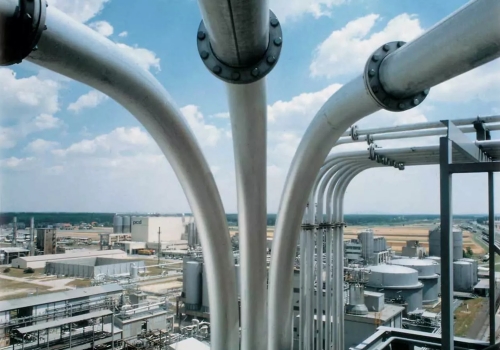
I know how frustrating a broken pipeline elbow feels on a busy job site. I have spent 18 years in the construction industry. I find the best steel pipe solutions to save costs for EPC companies. Let me share my experience to help you find the most durable solution. You will keep your projects running smoothly without unexpected downtime.
What Are Wear Resistant Industrial Elbows and Why Do You Need Them?
Abrasive materials destroy standard pipes quickly. This fast wear creates dangerous leaks. It forces your team to stop operations. Upgrading your elbows solves this massive headache permanently. Wear resistant industrial elbows protect vulnerable turning points in air conveying systems. Fast materials like sand and cement strike the elbow back hard. Specialized strong materials absorb this impact. They prevent quick wear and keep your industrial pipelines operating safely. I learned the true value of these components during a large EPC construction project in Africa. Our client moved rough cement powder across a long pipeline network. They used standard steel elbows at first. The cement powder broke the metal in just three months. This failure caused huge delays. It destroyed the maintenance budget. Finego Steel stepped in as their one-stop pipeline product supplier. I told them to use proper wear resistant industrial elbows. The new elbows handled the fast impact of the dry cement. They did not break. I always look for ways to cut costs for EPC companies over the long term. I know cheap standard elbows cost you much more in replacement labor and system downtime. We at Finego Steel always guide our clients to choose strong fittings. This simple choice protects the entire piping system. It keeps your workers safe. It saves your project money.
Flat-Back vs. Induction-Hardened: Which Steel Elbow Material Wins?
You replace fittings every six months if you choose the wrong steel grade. You waste money on parts and labor. Hardened steel offers a better financial choice. Induction-hardened steel elbows beat traditional AR 235 and AR 400 flat-back elbows. They have an interior hardness of up to 600 Brinell. This extreme inner hardness resists wear. The outer shell remains soft and easy to weld.
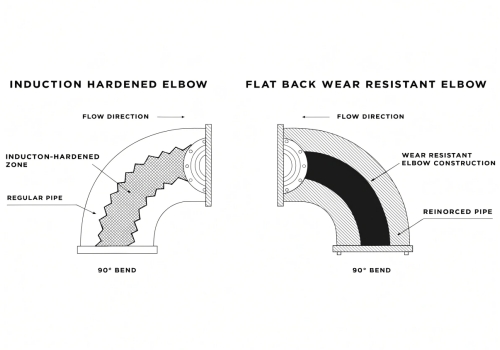
| Elbow Type | Brinell Hardness | Lifespan | Fit and Seal |
|---|---|---|---|
| AR 235 Flat-Back | ~235 | Short | Poor |
| AR 400 Flat-Back | ~400 | Medium | Poor |
| Induction-Hardened | 480 - 650 | Long | Excellent |
How Does Centerline Radius Affect the Lifespan of Your Pipe Elbows?
A tight pipe bend increases material impact. This heavy impact breaks the elbow wall fast. A larger sweep radius reduces back pressure. It stops early failures. The centerline radius measures the distance from the elbow arc to the center of its circle. A long radius creates a slow sweep. This gentle curve reduces the impact force of rough materials on the elbow wall. It stops blockages and makes the part last longer. The physical shape of your piping matters just as much as the steel material. The centerline radius controls how the air and material move around the corner. A short-radius elbow has a very tight bend. It saves space on the factory floor. The rough materials slam directly into the back wall at high speed. This hard crash causes fast wear. It causes frequent plugging. A long-radius elbow uses a slow sweep. The material glides around the curve smoothly. We proved this concept recently. We worked on an urban pipeline network construction project in Southeast Asia. The client faced constant blockages in their air conveying lines. The tight elbow bends trapped the heavy materials. Finego Steel is a professional steel pipe integration supporting supplier since 1996. We delivered custom long-sweep wear resistant industrial elbows to their site. The new shape reduced the system back pressure instantly. The material flowed without any stops. The longer sweep takes up more physical space. The performance benefits are massive. You get maximum working time. You get fewer problems. You finish your construction projects on time.
Conclusion
You prevent leaks and blockages when you choose the right hardened materials and long-radius designs. Finego Steel delivers reliable piping solutions. We keep your global projects running.
- No.101 Wanbo 1st Road, Nancun Town, Panyu District, Guangzhou, Guangdong, China
- 0086-020-84886013,84886093,84886091,84886012
- sales@finegosteel.com