
 Language
- No.101 Wanbo 1st Road, Nancun Town, Panyu District, Guangzhou, Guangdong, China
- 0086-020-84886013,84886093,84886091,84886012
- sales@finegosteel.com
- Complaints & Suggestions : suggest@finegosteel.com


Product News
What Is a WNRF Flange and Why Is It the Best Choice for High-Pressure Pipe Systems?
Date:2026-06-23
Are you struggling with pipe leaks in your high-pressure project? Choosing the wrong flange leads to costly downtime and major safety risks. You need a reliable solution right now.
A WNRF flange combines a weld neck and a raised face to handle extreme pressure and heat. This specific design creates a strong, leak-proof joint that keeps industrial piping systems completely safe.
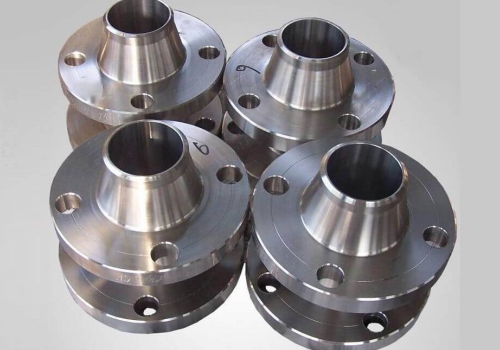
I remember my first large-scale project where we faced constant flange leaks at a critical junction. We switched to high-quality weld neck raised face components, and the system has run smoothly ever since. This guide will show you exactly how these components protect your infrastructure.
How Does the Design of a WNRF Flange Prevent System Leaks?
Pipeline leaks ruin your efficiency and blow your project budget. Standard connectors fail under stress, leaving you with broken schedules and angry clients. You cannot afford weak links.
A WNRF flange uses a tapered hub and a raised face to stop leaks completely. The hub distributes stress evenly, while the raised face concentrates pressure on the gasket for a tight seal.
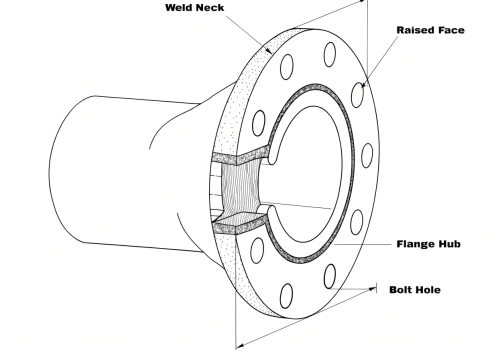
The Tapered Hub Structure
The tapered hub is a key part of this component. The hub starts thick at the base and gets thinner near the welding end. This shape matches the pipe thickness perfectly. It transfers stress from the flange to the pipe directly. This protects the joint from high pressure and bending forces.
The Raised Face Function
The raised face sits slightly above the bolting ring area. This design allows you to use many types of gaskets, like spiral wound or ring type joints. When you tighten the bolts, all the force goes straight to the raised surface. This action crushes the gasket into place and seals every tiny gap.
Key Dimensions and Standards
We manufacture these components according to strict global rules. The most common standard is ASME B16.5. This rule sets the outer diameter, bolt circle, and thickness for different pressure classes. The table below shows the key specifications for common sizes.
| Nominal Pipe Size (NPS) | Pressure Class (Lb) | Outer Diameter (mm) | Thickness of Flange (mm) | Hub Diameter at Base (mm) |
|---|---|---|---|---|
| 2 Inch | 150 | 150 | 17.5 | 78 |
| 2 Inch | 300 | 165 | 20.7 | 84 |
| 4 Inch | 150 | 230 | 22.3 | 135 |
| 4 Inch | 300 | 255 | 30.2 | 146 |
| 6 Inch | 300 | 320 | 35.0 | 211 |
Where Should You Use a WNRF Flange for Maximum Safety?
Extreme heat and volatile fluids destroy weak pipe joints instantly. A single joint failure can shut down your entire facility and cause massive safety hazards. You must build your system with the right parts.
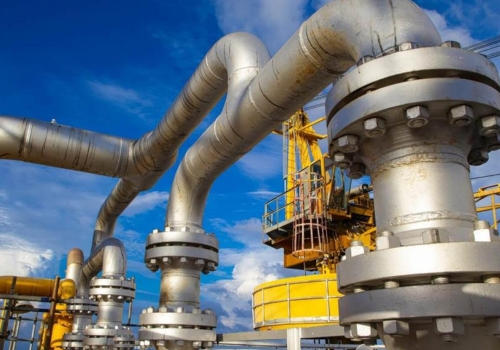
A WNRF flange is perfect for heavy-duty sectors like oil, gas, and chemical processing. These components handle temperatures up to 1200°F and extreme pressure without cracking or leaking.
Oil and Gas Transmission
In upstream and downstream pipelines, fluids move under massive pressure. These lines experience constant vibration from pumps and compressors. The weld neck design handles these vibrations easily. It keeps the connection solid and prevents environmental spills.
Chemical and Petrochemical Plants
Chemical processing involves hot, corrosive liquids. Our brand, Finego Steel, uses top-grade stainless steel and alloy steel to make these connectors. The smooth transition inside the bored hub prevents turbulent flow. This reduces internal wear and erosion over long periods of operation.
Industrial Project Applications
· Refineries: Crude oil distillation units rely on these tight seals to prevent hazardous gas leaks.
How Do You Maintain WNRF Flanges to Ensure a Long Service Life?
Neglecting your pipe joints leads to sudden corrosion and catastrophic bursts. Small defects turn into giant disasters if you do not check them regularly. You lose time and money on emergency repairs.
Proper maintenance requires regular bolt torque checks, gasket replacements, and visual inspections for rust. This routine work keeps your high-pressure system safe and extends its operating life for decades.
Inspection Routine
You must inspect the face surface every time you open a connection. Look for deep scratches, pits, or dents on the raised face. Any defect across the seating surface will allow fluid to escape. Clean the face with a soft wire brush to remove old gasket material completely.
Gasket and Bolt Care
Never reuse an old gasket because it loses its elasticity after the first compression. Always install a new one during reassembly. Apply proper lubrication to the bolt threads. Tighten the bolts in a star pattern using a calibrated torque wrench to apply even pressure across the surface.
Material Selection Strategy
Choosing the right material prevents early corrosion. Carbon steel works well for non-corrosive utilities. Stainless steel like 314 or 316 is necessary for acids and marine environments. Finego Steel provides full material test reports to guarantee your parts match your exact project environment.
A WNRF flange offers unmatched strength, a tight seal, and excellent stress distribution, making it the perfect choice for high-pressure, high-temperature industrial piping systems worldwide.
- No.101 Wanbo 1st Road, Nancun Town, Panyu District, Guangzhou, Guangdong, China
- 0086-020-84886013,84886093,84886091,84886012
- sales@finegosteel.com
We use cookies and other tracking technologies to improve your browsing experience on our website, to show you personalized content and targeted ads, to analyze our website traffic, and to understand where our visitors are coming from,This behavior is in compliance with the user consent policy.