
 Language
- No.101 Wanbo 1st Road, Nancun Town, Panyu District, Guangzhou, Guangdong, China
- 0086-020-84886013,84886093,84886091,84886012
- sales@finegosteel.com
- Complaints & Suggestions : suggest@finegosteel.com


Product News
Slip On Flange vs Weld Neck: Which One Fits Your Piping Project Better?
Piping projects often face budget overruns. You might pick the wrong flange and risk leaks. I will help you solve this flange selection problem today. The main difference between a slip on flange vs weld neck flange is their installation and strength. You slide a slip-on flange over the pipe and weld it. You weld a weld neck flange directly to the pipe end. Weld neck flanges handle higher pressures better.
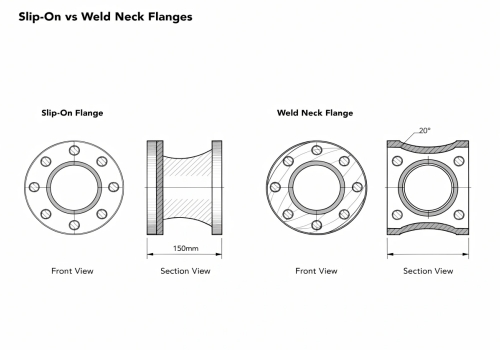
You want to lower project costs. You also want to ensure system safety. Let us explore the exact details to help you decide.
What Are the Core Advantages of a Slip-On Flange?
Tight installation spaces cause headaches. You struggle to fit heavy components. A slip-on flange offers a very fast and flexible solution for these tight spots. A slip-on flange costs less and installs easily. You do not need highly precise pipe cutting. You just slip it over the pipe. You weld both the inside and outside. This makes it perfect for low-pressure water and air lines.

Why EPC Buyers Love Slip-On Flanges
I work with many purchasing managers at EPC companies. They often have strict budgets. They also face tight deadlines. We supplied pipe fittings to a major water treatment plant in Southeast Asia last year. The project manager needed to save material costs. We recommended slip-on flanges for their low-pressure pipelines.
Cost and Labor Savings
You save money on the initial purchase. The flange uses less steel. You also save money on labor. The pipe does not need exact beveling. Workers can align the pipes much faster. This simple alignment saves hours on large construction sites.
Limitations to Keep in Mind
You must know the limits of this product. It is not suitable for high-stress areas. The double weld can warp the metal if workers are not careful. The flange does not have a long hub to distribute pressure. I always tell my clients to use them only for standard HVAC or basic water supply systems. They do not perform well under extreme vibration. You should check the operating conditions closely.
Why Should You Choose a Weld Neck Flange for High-Pressure Systems?
Pipe leaks in chemical plants are dangerous. You worry about extreme pressure causing sudden failures. A weld neck flange gives you the ultimate peace of mind. A weld neck flange has a long tapered hub. You butt-weld this hub to the pipe. This design transfers stress from the flange to the pipe. It stops leaks in high-temperature and high-pressure oil and gas environments.

The Power of the Tapered Hub
A weld neck flange looks different from a slip-on flange. It has a distinctive long neck. This neck matches the wall thickness of the pipe. You weld it once using a full penetration V-weld. This single weld line can be easily tested with X-ray machines. You can ensure complete joint integrity.
Real-World Success in the Americas
My team at Finego Steel handled a large refinery project in South America two years ago. The client needed pipelines to handle extremely hot and pressurized crude oil. The purchasing manager wanted zero risk of failure. We provided thousands of weld neck flanges. The smooth transition from flange to pipe reduced turbulence. It also prevented erosion inside the pipes.
When to Avoid Them
You must pay more for these flanges. They use more raw material to forge. The installation takes more time on the job site. You need highly skilled welders to make the perfect butt weld. You also need more physical space because the long neck takes up extra room. You should not use them if your system only handles simple water flow. The extra cost will hurt your project budget.
How Do You Install a Slip On Flange vs Weld Neck Flange?
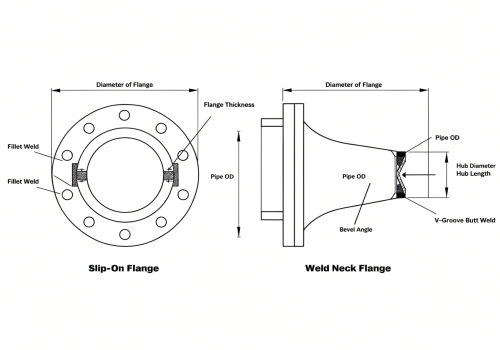
Poor installation causes pipeline failures. You waste time redoing bad welds. You need to understand the exact installation steps to prevent these expensive mistakes. You slide a slip-on flange onto the pipe and make two fillet welds. You align a weld neck flange end-to-end with the pipe and make one single butt weld. The slip-on flange requires less preparation. The weld neck flange requires perfect pipe beveling.
The Slip-On Welding Process
You must insert the pipe into the slip-on flange. You leave a small gap between the pipe end and the flange face. This gap prevents damage to the flange face during welding. The welder then makes one fillet weld on the inside. The welder makes a second fillet weld on the outside. This double welding takes time. The overall process requires less skill.
The Weld Neck Welding Process
You prepare the pipe end very carefully for a weld neck flange. You cut a V-shaped bevel into the pipe end. You align the pipe bevel with the flange hub perfectly. The welder creates a single butt weld. This weld penetrates the entire thickness of the metal. I often inspect these welds for our EPC clients. A single mistake here can cause major leaks later.
Site Considerations
I visited a construction site in Africa recently. The local contractor lacked advanced welding machines. They preferred slip-on flanges because they were easier to handle. You must evaluate your field workers before buying flanges. Finego Steel can provide technical guidance for your site team.
How to Decide Between a Slip On Flange vs Weld Neck Flange?
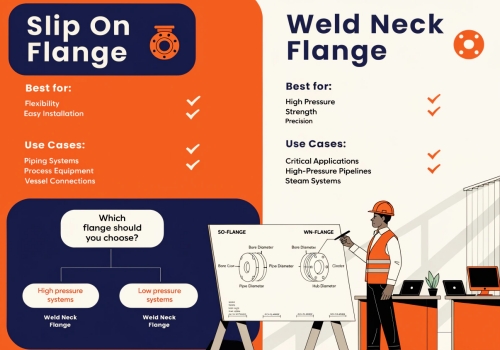
Choosing the wrong flange wastes your budget. You might overpay for unneeded strength. You can follow a simple checklist to make the best purchasing decision. You must check your system pressure, temperature, and budget. Use slip-on flanges for low-pressure systems and tight budgets. Use weld neck flanges for critical, high-pressure, or toxic fluid systems. The right choice prevents future leaks and costly maintenance.
The Ultimate Comparison
You need a clear way to compare a slip on flange vs weld neck flange. I created a simple guide for my EPC clients. As a one-stop supplier at Finego Steel, I want you to buy the right product. You can review this table below to match your project needs.
Quick Reference Table
| Feature | Slip-On Flange | Weld Neck Flange |
|---|---|---|
| Installation Cost | Low | High |
| Welding Method | Fillet weld (Inside and Outside) | Butt weld (Single full penetration) |
| Strength | Moderate | Very High |
| Pressure Limit | Low to Medium | High to Extreme |
| Best Application | Water, Air, HVAC | Oil, Gas, Petrochemical |
| Inspection | Visual or Dye Penetrant | Radiography (X-Ray) |
Making the Final Call
You should always consult your lead engineer. You must read the project specifications carefully. I always ask my buyers about the fluid type first. Toxic fluids require weld neck flanges to avoid disaster. Harmless fluids like chilled water work perfectly with slip-on flanges. I want to help you save costs without sacrificing project safety. We have mature project experience across many countries. We can guide you through every step of the sourcing process. You can trust Finego Steel for your pipeline needs.
Conclusion
You now understand the difference between slip-on and weld neck flanges. You can pick the right one for your piping project. Finego Steel is always here to help you.
- No.101 Wanbo 1st Road, Nancun Town, Panyu District, Guangzhou, Guangdong, China
- 0086-020-84886013,84886093,84886091,84886012
- sales@finegosteel.com