
 Language
- No.101 Wanbo 1st Road, Nancun Town, Panyu District, Guangzhou, Guangdong, China
- 0086-020-84886013,84886093,84886091,84886012
- sales@finegosteel.com
- Complaints & Suggestions : suggest@finegosteel.com


Product News
What are the most common industrial types of flanges?
Piping systems leak often. This causes project delays. You lose a lot of money. You need the right flange to stop these problems fast. The most common industrial types of flanges include weld neck, slip-on, blind, threaded, lap joint, socket weld, and long weld neck flanges. They connect pipes, valves, and pumps securely. You prevent leaks and handle high pressures when you choose the correct flange.
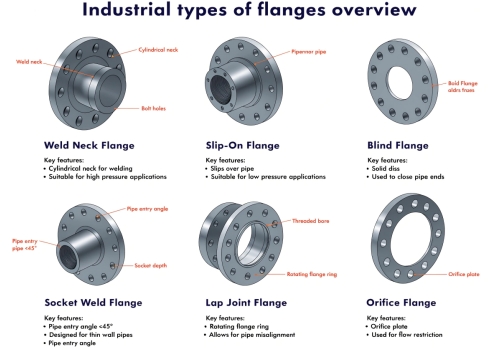
You must understand the features of each flange to build a safe pipeline. You will cause a complete system failure if you stop reading now.
What is a Weld Neck Flange and when should you use it?
High-pressure pipes break easily under stress. This brings huge risks to your workers. A weld neck flange totally solves this dangerous problem. A weld neck flange has a long tapered hub. You weld this hub directly to the pipe. This design transfers stress from the flange to the pipe. You use it for extreme high-pressure pipeline conditions.
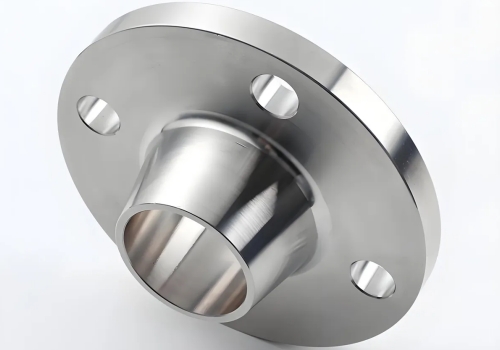
I work with EPC companies every day. I see many projects fail from bad pipe joints. We always suggest the weld neck flange for heavy-duty jobs at Finego Steel. It gives the best structural support for your whole system.
Why the long hub matters
The long neck acts as a strong bridge. It guides the fluid flow smoothly. This smooth flow reduces turbulence inside the pipe. You also lower the chance of metal fatigue.
Real project experience in Southeast Asia
We supplied pipeline products for a massive oil refinery in Southeast Asia last year. The local purchasing manager needed to handle very corrosive fluids. He also dealt with high temperatures. I recommended our weld neck flanges. We shipped them on time. The system works perfectly today. This proves our reliability as your partner.
| Feature | Description | Best For |
|---|---|---|
| Tapered Hub | Transfers stress to pipe | High pressure |
| Butt Weld | Joins neck to pipe end | Smooth fluid flow |
| Strength | Very high | Extreme temperatures |
How does a Slip-On Flange save you time and money?
Heavy welding takes too much time. High labor costs ruin your project budget. Slip-on flanges help you finish the job fast and cheap. A slip-on flange slides right over the pipe end. You weld it on the inside and the outside. This holds the flange fast. It is cheap and easy to align. You use it for low-pressure systems.
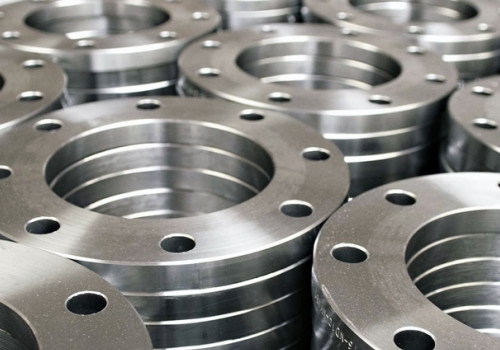
Many industrial types of flanges exist today. The slip-on flange is the easiest one to use. You do not need to cut the pipe perfectly. The flange just slides over the end. This design forgives small cutting mistakes.
Fast installation process
My clients love the fast installation. You just slide it on the pipe. Then you weld it. You do not need to bevel the pipe ends. This simple step saves hours of hard work on site.
Success story in Africa
We recently worked with a large EPC contractor in Africa. They built an urban water network. They had a very tight budget. They needed to connect hundreds of low-pressure water pipes. I guided them to choose our slip-on flanges. Finego Steel delivered the whole batch fast. They finished the project ahead of schedule.
| Aspect | Slip-On Flange | Weld Neck Flange |
|---|---|---|
| Initial Cost | Low | High |
| Installation Speed | Fast | Slow |
| Pressure Rating | Low to Medium | Very High |
| Welding Type | Inside and outside | Butt weld |
Why do you need a Blind Flange in your piping system?
Open pipes leak fluids everywhere. You lose valuable resources. You create safety hazards. Blind flanges seal your system tightly and stop these dangerous leaks. A blind flange is a solid steel plate. It has no center hole. You bolt it to the end of a pipe. You use it to block off lines securely. It allows easy access for future maintenance.
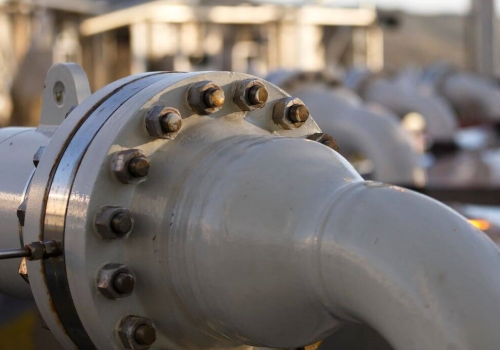
Every pipeline needs a stopping point. Among all industrial types of flanges, the blind flange handles the highest stress. The center of this solid plate takes the full force of the fluid.
Planning for the future
You do not just use a blind flange to stop flow. You use it to plan ahead. You can easily open the pipe later. You just unbolt the flange. This makes future expansion very simple.
Supplying the Americas
I remember a big natural gas project in the Americas. The engineers needed to cap several high-pressure lines. They planned to connect more equipment two years later. Finego Steel provided heavy-duty blind flanges. Our products held the pressure flawlessly. The team expanded the line recently. They just removed the blind flanges. They needed no pipe cutting.
| Use Case | Benefit |
|---|---|
| Pipe End Sealing | Stops all fluid flow safely |
| Future Expansion | Easy to unbolt and add pipes |
| Maintenance Access | Quick entry for cleaning |
You should always keep a few blind flanges in your inventory. They give you great flexibility. You will never regret having them ready for an emergency shutoff.
What are the benefits of Socket Weld and Threaded Flanges?
Small pipes break easily during welding. Sparks and heat damage thin walls. Socket weld and threaded flanges give you a perfect fit without the damage. A socket weld flange fits the pipe into a small recess. You use one outer weld. A threaded flange screws directly onto the pipe. You use zero welding. Both types work great for small pipes.
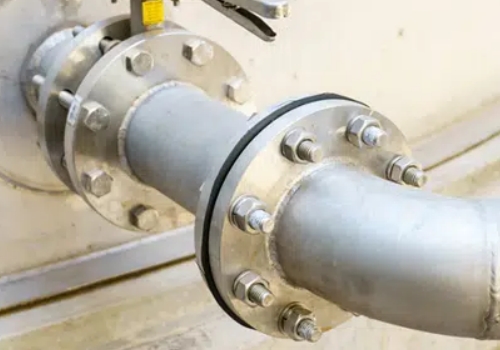
Sometimes you cannot weld on a job site. Maybe the area is explosive. Maybe the pipe is too small. You need different solutions in these cases.
The Threaded Flange Advantage
Threaded flanges are very unique. You just screw them on the pipe. You do not need a welder. This makes them perfect for highly flammable areas. You eliminate the fire risk completely. You must only use them for non-corrosive fluids.
The Socket Weld Strength
Socket weld flanges work differently. You insert the pipe into the socket. Then you apply one outer weld. The pipe sits inside the flange. The fluid flows smoothly.
How we help EPC buyers
Finego Steel offers both types to our clients. Many EPC purchasing managers ask me for advice. I always ask about their work environment first.
| Flange Type | Connection Method | Best Environment |
|---|---|---|
| Threaded | Screwed on | Explosive areas |
| Socket Weld | Insert and weld | Small pipes |
| Lap Joint | Loose flange | Frequent take-down |
You must match the flange to your site rules. We help you make this correct choice every day. You can trust our deep experience in the pipeline industry.
Conclusion
Finego Steel provides high-quality industrial flanges to global customers. You ensure safe and efficient pipelines with the correct flange. Contact us today for your next big project.
- No.101 Wanbo 1st Road, Nancun Town, Panyu District, Guangzhou, Guangdong, China
- 0086-020-84886013,84886093,84886091,84886012
- sales@finegosteel.com