
 Language
- No.101 Wanbo 1st Road, Nancun Town, Panyu District, Guangzhou, Guangdong, China
- 0086-020-84886013,84886093,84886091,84886012
- sales@finegosteel.com
- Complaints & Suggestions : suggest@finegosteel.com


Product News
How Are Pipe Fittings Made to Ensure Reliable Piping Systems?
Date:2026-03-24
Do your pipes leak often? Broken joints cause costly project delays. I will show you the exact manufacturing methods we use at Finego Steel to solve these issues. How are pipe fittings made? Manufacturers create pipe fittings by cutting, heating, and bending seamless or welded steel pipes. They use hot forming, cold forming, or forging processes to shape the metal. Finally, machines cut the threads or bevel the edges for welding.
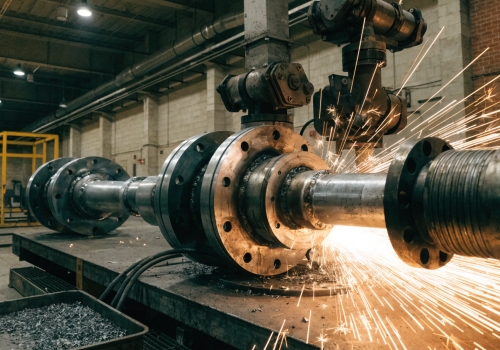
You might think all fittings look the same on the outside. But the hidden making process decides if your pipeline will last for decades or fail tomorrow. I will guide you through this process so you can buy the best parts.
What Are Pipe Fittings and Why Do We Need Them?
Are you struggling to connect different pipe sizes? Wrong connections waste time and ruin designs. You need the right adapters to control your fluid flow safely. Pipe fittings are special parts that join straight pieces of pipe. They help change the direction of flow, adapt to different pipe sizes, or connect different equipment. Builders use them in plumbing, gas, and liquid transport systems.
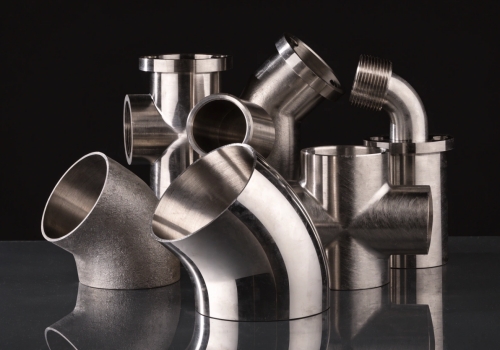
I remember a large construction project last year. The engineers needed to connect a thick main pipe to several small branches. They did not know which parts to buy. I stepped in and helped them choose the right tees and reducers. This simple choice saved the company thousands of dollars in delays.
The Main Functions of Fittings
Pipe fittings do more than just connect pipes. They keep the whole system safe under high pressure. You must follow strict standards like ASME and ASTM when you design your pipeline. We follow these rules closely at Finego Steel. Our parts never fail under pressure.
How Gender Works in Fittings
Fittings often have a gender. We use the letter M for male and F for female. A female adapter needs a male connection of the exact same size.
| Feature | Male Fitting | Female Fitting |
|---|---|---|
| Thread Location | Outside the fitting | Inside the fitting |
| Purpose | Screws into another part | Receives another part |
| Example | NPT Male connector | 3/4-inch female adapter |
What Materials Work Best for Your Piping Systems?
Does your pipeline suffer from rust? Weak materials lead to dangerous breaks. You must pick the exact right metal to stop future damage. Builders choose pipe fitting materials based on the main pipe material. Common choices include carbon steel, stainless steel, ductile iron, and nonferrous metals like copper. The material must resist the inside fluid, outside temperature, and system pressure.
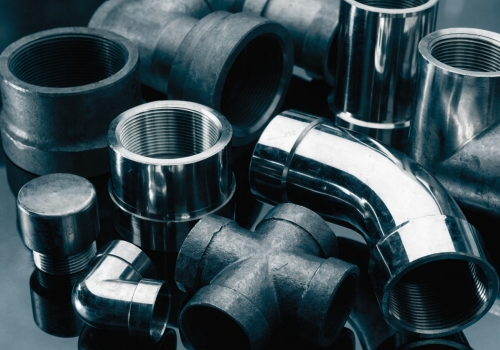
I often talk to buyers who want the cheapest metal. I always tell them a story about a cheap fitting that burst. That burst ruined a whole factory floor. You must pick the material that fits your specific project needs. You cannot compromise on quality.
Common Metal Choices
You have many options for your metal pipes.
· Stainless Steel: This metal is the best for stopping rust.
· Chrome-Molybdenum Alloy: This metal works perfectly for very high temperatures.
Important Selection Rules
You cannot just mix any metals together. You must match them correctly.
| Factor | Why It Matters |
|---|---|
| Fluid Type | Corrosive liquids need stainless steel or special plastics. |
| Pressure | High pressure needs thick, strong forged steel. |
| Environment | Earthquakes or fires need tough metal alloys. |
As your one-stop supplier, Finego Steel tests all raw materials. We make sure the metal can handle your toughest jobs. We match the fitting material exactly to your pipeline material. We check fire resistance and mechanical toughness.
Exactly How Are Pipe Fittings Made in the Factory?
Are you worried about weak joints in your project? Poor factory methods make weak parts. Knowing how are pipe fittings made helps you buy better products. How are pipe fittings made? Factories make fittings from seamless or welded pipes. They use heat and pressure to bend the metal. Common methods include the hot forming method, hydraulic bulge method for tees, and deep drawing for caps.
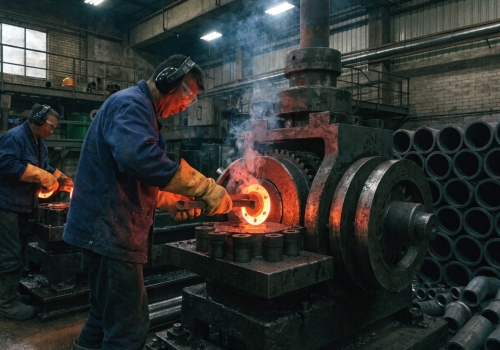
When I first walked into a pipe fitting factory, the huge heating machines amazed me. Workers took a straight steel pipe and turned it into a perfect 90-degree elbow in minutes. I saw the raw power of industrial machines.
The Main Manufacturing Methods
We use different steps to make different shapes. Let me explain the most common ways.
· Hydraulic Bulge: We put a straight pipe in a mold. We pump high-pressure water inside. The metal bulges out to make a Tee shape.
· Deep Drawing: We press a flat steel plate into a die. This makes pipe caps.
Process Comparison
You can see the differences in our methods below.
| Method | Made For | Key Benefit |
|---|---|---|
| Hot Forming | Elbows and Bends | Keeps metal thickness even |
| Hydraulic Bulge | Tees | Makes smooth inner walls |
| Deep Drawing | Caps | Creates strong solid ends |
Knowing how are pipe fittings made helps you understand their strength. Finego Steel uses advanced machines for all these steps. We give you precise parts for your construction sites. We test every single batch.
Should You Choose Buttweld or Forged Fittings?
Do you hate complicated welding jobs? Picking the wrong fitting style wastes your workers' time. You must understand the difference between buttweld and forged types. Buttweld fittings are cut and bent from steel pipes. They connect with a full weld for smooth fluid flow. Forged fittings are cut from solid steel blocks. They use socket welds or threads and work best for smaller pipes.
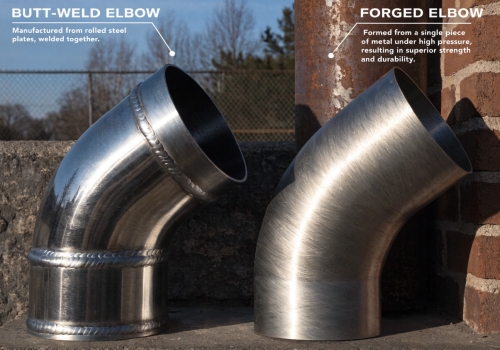
Last month, a buyer asked me for threaded fittings for a big oil pipeline. I stopped him immediately. Threaded fittings would fail under that high pressure. I told him to use buttweld fittings instead. I saved his company from a huge disaster.
Buttweld Pipe Fittings
These parts range from 1/2 inch to 72 inches. They include long radius elbows and concentric reducers.
Strong Connection: The weld becomes part of the pipe.
Smooth Flow: The inside stays flat and clear.
Forged Pipe Fittings
We machine these from solid steel blocks. They only go up to 4 inches. They have very high tensile strength.
| Type | Best Use | Warning |
|---|---|---|
| Socket Weld | Toxic fluids and acids | Takes a long time to weld |
| Threaded | Low pressure water | Do not use if temperature changes fast |
Finego Steel provides both buttweld and forged parts. We check your CAD designs carefully. We help you pick the exact right connection method. We want to save your company money and keep your workers safe.
Conclusion
Pipe fittings connect your systems safely. Factories make them using heat, pressure, and strong metals. Finego Steel provides perfect pipe fittings to keep your construction projects running smoothly.
- No.101 Wanbo 1st Road, Nancun Town, Panyu District, Guangzhou, Guangdong, China
- 0086-020-84886013,84886093,84886091,84886012
- sales@finegosteel.com
We use cookies and other tracking technologies to improve your browsing experience on our website, to show you personalized content and targeted ads, to analyze our website traffic, and to understand where our visitors are coming from,This behavior is in compliance with the user consent policy.