
 Language
- No.101 Wanbo 1st Road, Nancun Town, Panyu District, Guangzhou, Guangdong, China
- 0086-020-84886013,84886093,84886091,84886012
- sales@finegosteel.com
- Complaints & Suggestions : suggest@finegosteel.com


Product News
What is the exact difference between equal tee vs reducing tee?
Date:2026-09-23
Do you struggle to pick the right pipe fitting? Wrong choices cause pressure drops and leaks. I will help you fix this problem today. The main difference in an equal tee vs reducing tee is the branch size. An equal tee has three outlets of the exact same diameter. A reducing tee has a smaller branch outlet than the main run, helping you connect different pipe sizes easily.
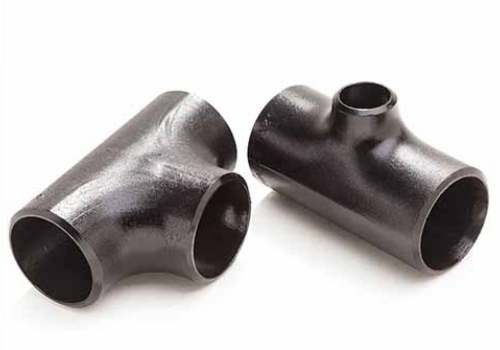
Let us look closer at each type so you avoid costly mistakes on your next pipeline project.
What exactly is an equal tee?
Uneven fluid flow ruins system efficiency. You need a way to split flow evenly without losing pressure. An equal tee solves this by keeping all pipe sizes identical. An equal tee, or straight tee, has identical diameters on all three connection points. It divides the fluid flow equally across the system. You use it when you need consistent flow rates and stable pressure at the branching point. In my 18 years of buying materials, I see equal tees used constantly in building water networks. I look for specific features that keep our projects running smoothly.
Uniform flow distribution
· Keeps flow velocity stable at the branch point.
· Prevents sudden pressure drops in the line.
Common pipeline applications
· Air systems needing balanced delivery.
· Plumbing networks that require identical water pressure.
· Chemical lines where equal fluid distribution matters. When you design a pipeline, you must match the tee to your exact flow needs. I once bought cheaper, slightly off-spec tees for a cooling system. We lost 15 percent flow efficiency and had to replace them. Now, I always check the exact dimensions. Below is a quick look at standard size parameters you should check before you buy.
| Parameter | Equal Tee Specification |
|---|---|
| Main Run Size | Matches the branch size exactly. |
| Branch Size | Matches the main run size exactly. |
| Best Use Case | Systems needing perfectly balanced fluid flow. |
| Cost Impact | Standard pricing, very cost-effective for simple setups. |
What defines a reducing tee?
Connecting different pipe sizes often requires extra adapters. These adapters cost money and add weak points. A reducing tee fixes this by combining two functions into one fitting. A reducing tee has a smaller branch outlet than the main pipe run. It lets you connect a smaller pipe to a larger one directly. You use this to reduce flow rate or pressure in specific parts of your piping system.
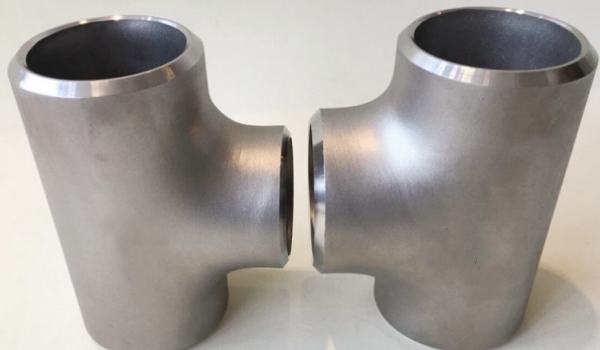
I use reducing tees when my engineers need to step down pipe sizes without adding extra parts. This saves us about 10 percent on material costs per junction. It also removes an extra weld, which reduces the risk of leaks later on.
Better fluid control
· Directs lower volume into smaller secondary pipes.
· Changes pipe sizes smoothly without sudden stops.
· Manages pressure limits for sensitive equipment downstream.
Smart system uses
· Water supply lines branching off to individual rooms.
· Gas networks stepping down pressure for local use.
· Irrigation setups sending less water to smaller field sections. You must calculate the exact pressure change when you use a reducing tee. If you pick a branch size that is too small, you create a bottleneck. This stresses the entire system. I always ask our designers to verify the flow charts first. Here is a quick table showing how reducing tees handle system changes.
| Parameter | Reducing Tee Specification |
|---|---|
| Main Run Size | Standard size matching the primary pipeline. |
| Branch Size | Smaller than the main run. |
| Best Use Case | Stepping down flow or connecting smaller pipes. |
| Cost Impact | Saves money by removing the need for separate reducers. |
How do you choose between equal tee vs reducing tee?
Choosing the wrong tee causes system failure. A bad choice leads to broken pipes or zero pressure. You must match the fitting exactly to your flow requirements. To choose between an equal tee vs reducing tee, look at your pipe sizes and flow needs. Choose an equal tee for uniform flow and identical pipes. Choose a reducing tee to connect different sizes or drop the pressure in one branch.
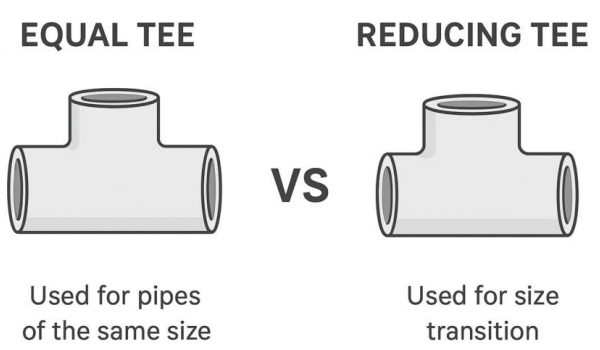
When I buy materials for large commercial buildings, the decision between an equal tee vs reducing tee comes down to specific project needs. You cannot guess. You need a clear process to make the right choice.
Check your pipe sizes
· Measure the main pipe run diameter.
· Measure the required branch pipe diameter.
· Pick the equal tee if they match exactly.
Verify system pressure limits
· Calculate the flow rate for the main line.
· Determine how much flow the branch line needs.
· Select a reducing tee if the branch needs less flow. I save my company thousands of dollars by getting this right the first time. Using an equal tee with a separate reducer fitting costs more labor and parts. A reducing tee does the job in one step. But if you need perfect balance, only the equal tee works.
| Comparison Factor | Equal Tee | Reducing Tee |
|---|---|---|
| Outlet Size | All three are identical. | Branch is smaller than run. |
| Pressure Control | Keeps pressure totally even. | Reduces pressure at branch. |
| Installation Labor | Very simple and fast. | Needs careful alignment. |
| Material Cost | Low base cost. | High value by replacing adapters. |
FAQ: Equal tee vs reducing tee?
Do you still have questions about these fittings? Unanswered questions lead to buying mistakes. I gathered the most common questions to give you fast, clear answers. People often ask if they can use an equal tee instead of a reducing tee. You can, but you will need an extra reducer fitting. It is always better and cheaper to use the correct tee for your specific pipe sizes from the start. Over my 18 years in construction purchasing, I get asked the same questions by new engineers and buyers. I want to share these answers with you so you can buy with total confidence.
Frequently asked questions
Q: Can a reducing tee increase flow?
A: No. A reducing tee branch is smaller than the main run. It restricts the flow volume to the branch line. It does not increase it.
Q: Are equal tees cheaper than reducing tees?
A: The base price of an equal tee is usually a little lower. However, if you have different pipe sizes, buying a reducing tee is cheaper than buying an equal tee plus a separate reducer fitting.
Q: Do these tees come in different materials?
A: Yes. You can find both types in carbon steel, stainless steel, and alloy steel. You must match the tee material to your main pipeline material to avoid corrosion.
Q: How do I measure the size of a reducing tee?
A: You list the size of the two main run ends first, then list the size of the smaller branch. (For example: 4 x 4 x 2 inches). Always check your local building codes before ordering. Buying the right fitting ensures your system stays safe and leak-free for years.
Conclusion
Both tees control fluid perfectly when you use them right. For high-quality, precise equal and reducing tees, trust Finego Steel to supply your next project. Contact us today!
- Prev : Centerway Steel Wraps Up WA Mining 2026 and Welcomes Global Visitors to Tube China 2026
- Next : No matching information found
- No.101 Wanbo 1st Road, Nancun Town, Panyu District, Guangzhou, Guangdong, China
- 0086-020-84886013,84886093,84886091,84886012
- sales@finegosteel.com
We use cookies and other tracking technologies to improve your browsing experience on our website, to show you personalized content and targeted ads, to analyze our website traffic, and to understand where our visitors are coming from,This behavior is in compliance with the user consent policy.