
 Language
- No.101 Wanbo 1st Road, Nancun Town, Panyu District, Guangzhou, Guangdong, China
- 0086-020-84886013,84886093,84886091,84886012
- sales@finegosteel.com
- Complaints & Suggestions : suggest@finegosteel.com


Industry News
What is the complete guide to boiler pipe welding?
Boiler leaks can halt your entire project. If you ignore broken pipes, your costs will skyrocket. Learning proper welding fixes these issues fast and keeps your systems running. Boiler pipe welding is the process of joining or repairing seamless steel tubes used in boilers. It requires cutting out damaged sections, cleaning the tube sheet, and using specific welding techniques like manual arc welding to ensure high-pressure steam is safely contained without leaks.
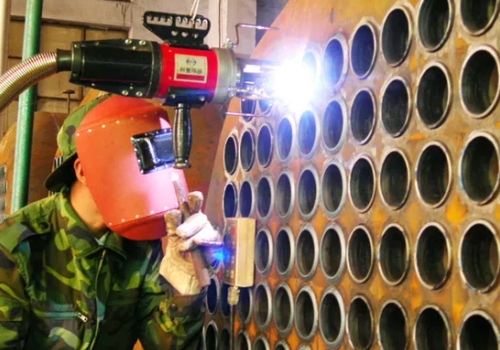
Read on to discover the exact steps for fixing these systems. Do not stop reading here if you want to avoid costly mistakes in your next major construction project.
Why do boiler tubes fail and need repairs?
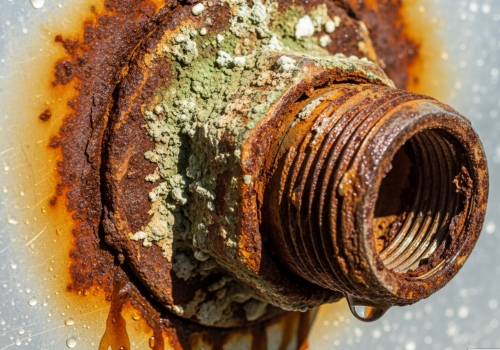
Pipe blockages cause huge headaches for managers. When old pipes thin out, they burst under pressure. Replacing them early saves you from massive system shutdowns and safety hazards. Boiler tubes fail mainly due to long-term high-temperature use, which causes leaks, blockages, or thin walls. When a tube wall becomes too thin, it cannot handle high pressure. At this point, you must replace the damaged tubes to ensure safety.
Understanding Boiler Tube Lifespans
In my 18 years of working with construction projects, I have seen many boiler tubes fail. Boiler tubes are a type of seamless tube. Manufacturers make them just like regular seamless pipes. But they use very strict steel rules. We divide them into two types based on heat. We have general boiler tubes and high-pressure boiler tubes. Every boiler tube has a limited life. After long use, the pipes will leak or block. If a few tubes break, we only replace those. But if we find thin walls across the system, we must replace all the tubes. Here is a boiler tube replacement plan from one of my past projects at Finego Steel:
| Boiler Number | 63.5mm by 3.5mm Tubes Needed | 45mm by 3.5mm Tubes Needed |
|---|---|---|
| 1# | 170 | 132 |
| 2# | 150 | 110 |
What are the exact steps for boiler pipe replacement?
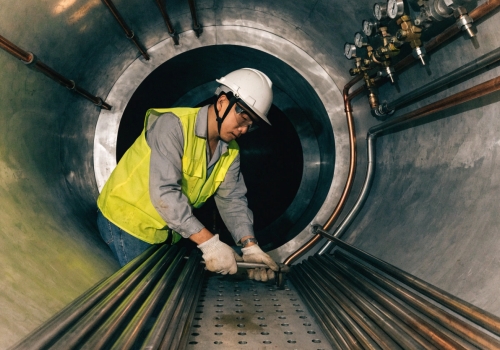
A messy repair process wastes your budget. If your team skips steps, the new pipes will fail again. Following a strict replacement procedure guarantees a safe and lasting fix. The replacement process involves removing old tubes by gas cutting, cleaning the tube sheet, and preparing new pipes. You must assemble the new pipes, weld them securely, clean the welds, and finally perform a water pressure test to ensure there are no leaks.
Preparing for the Repair
When I manage a boiler repair job, I always stick to a strict plan. First, we remove all old boiler tubes using gas cutting. Then, we clean and check the tube sheet. It must be completely flat. We check the welding materials and the new pipes. We use high-quality pipes and SH507 welding rods.
Assembly and Testing
Next, we put the new pipes in place. We make sure the front and rear ends of the tube stick out by 5 to 6 millimeters. This extra length makes the boiler pipe welding much easier. Our welders always hold the right certificates. During the job, they keep the welding rods in a warm barrel. This keeps the rods dry. After the welding is done, we remove the slag. We check the joint. We polish the weld between the furnace tube and the tube sheet. We use color tests to prove there are no cracks. Finally, we run a water pressure test on the system. We push the pressure to 1.5 times the normal working limit. We hold this pressure for 15 minutes. If the pressure does not drop, the job is a success.
| Repair Step | Action Required | Key Focus |
|---|---|---|
| 1. Removal | Gas cut old tubes | Clear all broken metal |
| 2. Prep | Clean tube sheet | Make the surface flat |
| 3. Fit | Insert new pipes | Leave extra length |
| 4. Weld | Apply arc welding | Ensure deep penetration |
| 5. Test | Water pressure check | Hold for 15 minutes |
How to master the boiler pipe welding process?
Weak welds cause pipes to break under high steam pressure. If your welders make mistakes, lives are at risk. Proper welding methods protect your boiler and your whole factory. To master boiler pipe welding, you must clean the water chamber and install tubes in batches. Welders must use manual arc welding with direct current reverse connection. Using a 3.2mm SH507 electrode at 80 to 90 amps ensures strong joints without holes or weak spots.
Setting Up the Weld
I pay very close attention to the boiler pipe welding stage. First, we cut off the old pipe and clean the water chamber. I ask my workers to use an angle grinder. They use it to make the old welding spots flat. If there are damaged parts, we use a special polishing tool. This tool cleans the metal and removes rust. We install the furnace tubes in batches.
Welding Rules and Settings
The welder must follow exact rules. We use manual arc welding with a direct current reverse connection. The welding rod must have a diameter of 3.2 millimeters. The grade is SH507. Here are the exact settings we use on my sites:
| Parameter | Required Value |
|---|---|
| Current | 80 to 90 Amps |
| Voltage | 24 to 26 Volts |
| Speed | 10 cm per minute |
| Weld Size | 0.5 to 1 mm thicker than pipe wall |
We use these settings to stop bad things like air holes. They also prevent weak spots in the metal. After we finish the boiler pipe welding, we remove the coating from the weld. We look closely at the joint. We test it for hidden cracks. If you need reliable pipes for this kind of work, Finego Steel is your best choice. We are a one-stop supply company. We make sure every pipe can handle these tough welding steps.
Conclusion
Boiler pipe welding requires careful cutting, precise assembly, and strict pressure testing. Follow these simple steps and trust Finego Steel to keep your construction projects safe and successful.
- No.101 Wanbo 1st Road, Nancun Town, Panyu District, Guangzhou, Guangdong, China
- 0086-020-84886013,84886093,84886091,84886012
- sales@finegosteel.com