
 Language
- No.101 Wanbo 1st Road, Nancun Town, Panyu District, Guangzhou, Guangdong, China
- 0086-020-84886013,84886093,84886091,84886012
- sales@finegosteel.com
- Complaints & Suggestions : suggest@finegosteel.com


Industry News
What is the best anti-corrosion external coating for steel pipes?
Steel pipes rust easily outdoors. This rust ruins the pipe quality and costs you money. A good coating solves this problem and protects your pipes for a long time. The best anti-corrosion external coating for steel pipes depends on your project needs. Common choices include epoxy powder, polyethylene, and heavy anti-corrosion coatings. These materials block water and oxygen. They stop rust, extend the pipe lifespan, and keep the pipe surface smooth and safe.
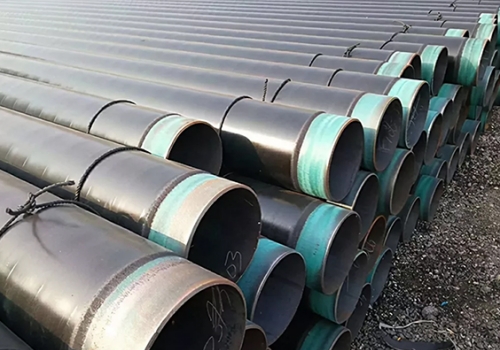
Many people buy steel pipes but ignore the coating. Then, their pipes rust before they even use them in the project. Read on to avoid this costly mistake.
Why do we need an anti-corrosion external coating for steel pipes?
Raw steel pipes face rain and sun. They will rust quickly without protection. You must apply a strong layer to keep the metal safe from bad weather. An anti-corrosion external coating for steel pipes acts as a shield. It prevents rust during outdoor storage. The American Petroleum Institute requires pipes to resist rust for at least three months. Good coatings also keep the surface smooth and stop the protective liquid from dripping.
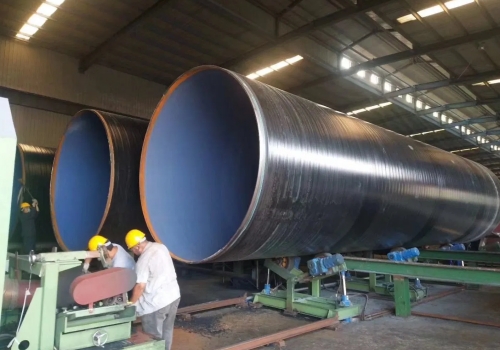
I remember a big construction project a few years ago. We bought hundreds of bare steel pipes. We left them outside. It rained for a week. We checked the pipes later. They had deep rust spots. We lost a lot of money cleaning them. From that day on, I always buy pipes with good coatings at Finego Steel.
Basic Requirements for Coatings
Coating the outside of steel pipes is very important. Rust ruins the pipe quality. It also makes the pipe look bad. Customers expect a long anti-rust period. They often need the pipes to stay safe outdoors for three to six months.
Visual Quality Matters
The coating must look good too. The liquid must cover the pipe evenly. It cannot have missing spots. It cannot have drips. Here is a table showing what customers want from a good coating:
| Requirement | Reason |
|---|---|
| Rust Resistance | Keeps the pipe strong for 3 to 6 months outdoors. |
| Smooth Surface | Makes the pipe look professional and clean. |
| Even Distribution | Stops weak points where rust can start. |
| No Drips | Prevents messy spots and wasted material. |
What are the common types of coatings?
Choosing the wrong coating wastes money. Some coatings crack in the cold. Others take too long to dry. You need to know your options to pick the right one. The market offers several coating options. Traditional choices include petroleum asphalt and coal tar epoxy. Modern projects often use epoxy powder, polyethylene, and heavy anti-corrosion coatings. Polyethylene works great in cold weather. Heavy coatings last over 10 years in harsh places like marine or chemical areas.
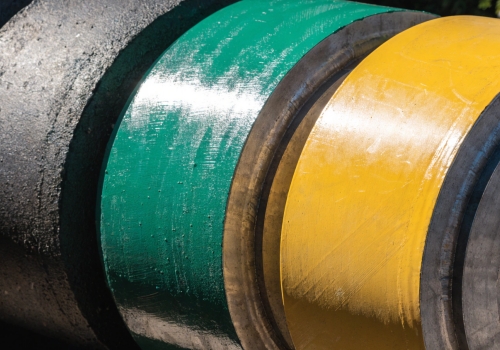
You must pick the right material for your pipes. Underground pipe networks use pipes to transport gas, oil, and water. These pipes need strong protection. At Finego Steel, we use many types of coating materials.
Older Coating Materials
Petroleum asphalt is cheap. It blocks water well. But it breaks easily in cold weather. Coal tar epoxy strongly resists chemicals and water. But it takes a long time to dry. Bad weather during drying can ruin it.
Modern Coating Materials
Epoxy powder coating started in the 1960s. We spray dry powder onto a hot pipe. It forms a dense layer. It sticks very well. But the layer is thin. It can get damaged easily. Polyethylene is very tough. It handles hits well. It works perfectly in freezing places like Russia. Heavy anti-corrosion coatings are the strongest. They work for over 15 years in marine projects. They are very thick. Here is a table comparing them:
| Coating Type | Big Advantage | Main Disadvantage |
|---|---|---|
| Petroleum Asphalt | Cheap and waterproof | Cracks in low temperatures |
| Coal Tar Epoxy | Great chemical resistance | Slow drying time |
| Epoxy Powder | Very strong adhesion | Thin and easy to scratch |
| Polyethylene | Best for cold weather | Hard to apply on huge pipes |
| Heavy Coating | Lasts 10 to 15 years | Costs more money |
How do you fix common coating quality issues?
Bad coating jobs cause big headaches. Uneven spots leave pipes weak. Drips look terrible. Bubbles break the shield. You must find these problems and fix them fast. Common issues include uneven coating, drips, and bubbles. Uneven spray wastes material and causes weak spots. Drips happen when the liquid flows down the pipe. Bubbles form when air or water gets trapped in the liquid. We fix these by checking spray guns, heating pipes, and controlling factory humidity. I once received a batch of pipes with strange bubbles on the surface. We had to send them back. Since then, I work closely with the production team at Finego Steel to control quality. We watch out for three main problems.
Uneven Coating
Sometimes the coating is thick in one place and thin in another. This happens in the spray box. The machine uses six spray guns. One gun might shoot less liquid. Then the coating becomes uneven. Also, the raw pipe might have rust or water on it. Then the liquid will not stick well. We must clean the pipe perfectly before spraying.
Dripping Liquid
Pipes are round. Gravity pulls the wet liquid down. This creates drips on the bottom. We fix this with large ovens. The oven heats the pipe right after spraying. This heat dries the liquid fast. It stops the flow.
Bubbles in the Paint
High air humidity causes bubbles. The spray hits cold air. The temperature drops. Water in the air turns into tiny drops. These water drops mix with the paint. They get trapped and form bubbles. We control the room temperature and humidity to stop this.
| Problem | Main Cause | Best Solution |
|---|---|---|
| Uneven Coating | Broken spray gun or dirty pipe | Check guns and clean pipes |
| Dripping | Gravity and slow drying | Heat the pipe quickly in an oven |
| Bubbles | High air humidity and cold air | Control factory air and temperature |
Fixing these errors early saves time. It ensures every pipe arrives perfect and ready to use.
Frequently Asked Questions about steel pipe coatings?
Buyers always have many questions about pipe protection. You might feel confused by all the technical details. Let me answer the most common questions simply and clearly. Choosing an anti-corrosion external coating for steel pipes brings up many questions. People ask about the lifespan, the drying time, and the best material for cold weather. Answering these questions helps buyers make smart choices. A good supplier will always explain these details clearly before you buy. Over my many years in this industry, customers ask me the same questions again and again. I keep my answers simple. Here are the most common questions we get at Finego Steel.
Q: How long does a standard anti-corrosion external coating for steel pipes last?
A: A standard coating lasts three to six months in outdoor storage. Heavy anti-corrosion coatings can last over 10 to 15 years in harsh places.
Q: Why does the coating sometimes peel off the pipe?
A: The coating peels off if the raw pipe is dirty. Oil, rust, or water on the metal stops the paint from sticking. We always clean the metal deeply before we apply the paint.
Q: Which coating is the best for very cold countries?
A: Polyethylene is the best choice for freezing weather. It stays flexible. It does not crack or break when the temperature drops very low.
Q: Does the thickness of the coating matter?
A: Yes, thickness matters a lot. A very thin layer will scratch easily during transport. A thicker layer provides a stronger shield against water and air. We measure the thickness of every pipe.
Q: Can I fix a scratched coating on the job site?
A: Yes, you can. We supply special repair kits. You can paint over the small scratches by hand to keep the pipe safe from rust.
Conclusion
A strong external coating protects steel pipes from rust and damage. It saves money and keeps projects safe. Always pick the right material and control the quality carefully.
- No.101 Wanbo 1st Road, Nancun Town, Panyu District, Guangzhou, Guangdong, China
- 0086-020-84886013,84886093,84886091,84886012
- sales@finegosteel.com